Articles
Bathroom and Toilet Design: Key Features and Style Ideas
Learn essential principles for designing a bathroom with a toilet, choose the right style, fixtures and layout for a harmonious, functional space.

Articles
Learn essential principles for designing a bathroom with a toilet, choose the right style, fixtures and layout for a harmonious, functional space.
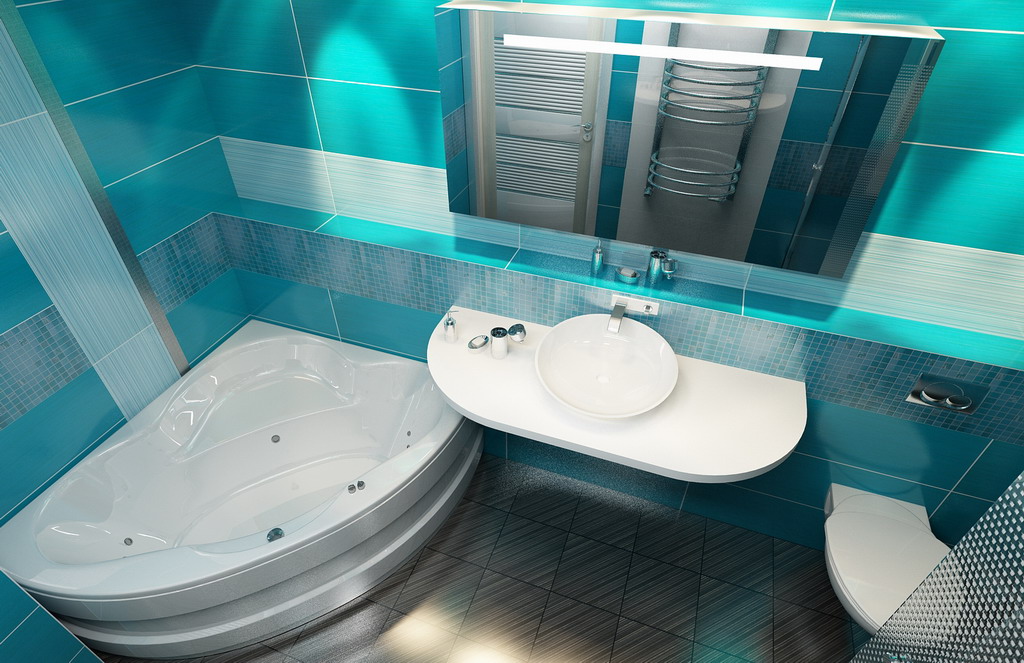
Despite being the smallest non‑living area of an apartment or house, the design of a bathroom and toilet is receiving increasing attention. During construction or a major renovation, the question often arises whether to separate or combine the bathroom and toilet. This issue is especially acute in small‑sized dwellings. Regardless of the chosen option, the bathtub and toilet should be designed in a unified style.
Combining the spaces expands the area, allowing more interesting solutions or ideas to be realized. However, the opposite option also offers several appealing ideas. The main requirement is that the bathroom‑toilet design must be harmonious. This condition is met when all interior elements complement each other.
Creating design projects for a bathroom‑toilet has several distinctive aspects. Before starting, it is necessary to understand the following points:
By following the basic design principles, you can achieve a unique, individual interior. It is also important to remember that this non‑living area must not only look attractive but also be functional, as a small room can serve several purposes simultaneously.
A well‑designed bathroom with a toilet always reflects the homeowner’s sense of taste. Therefore, selecting a style deserves special attention. To obtain an individual, memorable interior, stylistic directions can be combined, provided they are blended correctly.
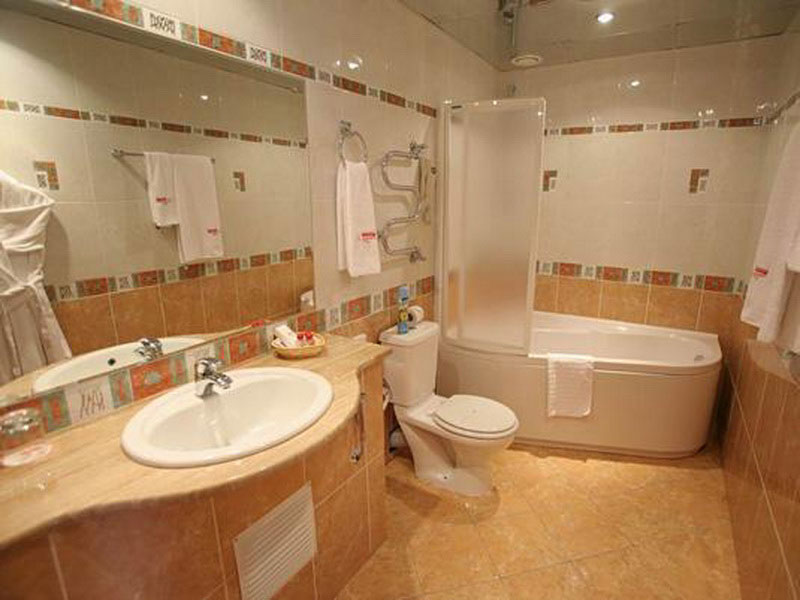
This direction is often chosen by people who value personal comfort above all. The interior can be described as modest, home‑like, emphasizing simple living, inexpensive finishes, and minimalist furniture. Fixtures are selected primarily for functionality; Mediterranean bathrooms are frequently adorned with wall‑mounted sanitaryware. Instead of a classic bathtub, a shower cabin is installed. The remaining space is filled with practical cabinets and shelves styled according to the theme.
Suitable accessories include a mirror framed in wood, fresh flowers, and white waffle‑weave towels. The more natural and authentic the décor, the better. Notably, this style works especially well for small‑size bathroom‑toilet designs.
This style is characterized by a calm, natural colour palette. Natural materials dominate the finishes. Traditional patterns or ornaments decorate both walls and sanitaryware.
Moisture‑resistant wooden ceiling beams, a rounded bathtub on curved legs, and antique‑style furniture all fit perfectly into a French country interior. Elegant simplicity combined with high practicality makes the bathroom‑toilet attractive and convenient.
The classic style is appropriate only for large, spacious rooms. Such an interior should impress with its presentability and luxury. Only high‑end natural materials are used for finishes, such as marble, expensive wood, and the like. The centre of the space is always occupied by a bathtub, which serves as the composition’s focal point. Designs for a bathroom with a toilet often employ gold, mother‑of‑pearl, and silver tones, as well as intricate patterns.
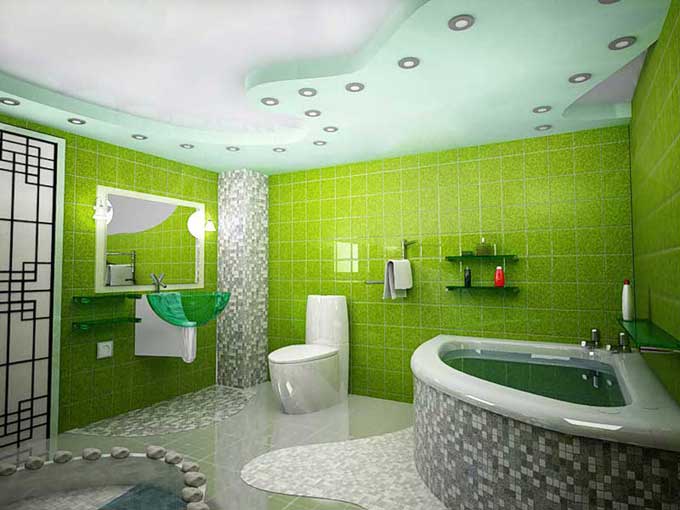
This direction encourages bold combinations of colours and materials. It is typical to divide the space into zones using lighting or various partitions. Chrome surfaces, back‑lit sinks, corner‑type shower cabins or bathtubs suit this style well. The interior can be furnished with innovative sanitary equipment, contemporary furniture and unconventional accessories.
A colourful, unconventional bathroom‑toilet design in Oriental style is often embellished with mosaic elements and vivid floral patterns. For the colour scheme, shades of sea‑foam or clear‑sky blue work perfectly.
Regardless of the chosen style, the main rule is that the interior design must be harmonious. Mixing stylistic directions is permissible, but one style should serve as the base and be clearly recognizable. Eclecticism allows the homeowner’s preferences to shine; the only limits are imagination and taste. Remember that a bathroom‑toilet design must be functional—beauty alone is not enough.
Comments