Articles
Best Materials for Building a Fence: Guide to Choosing the Right Fence Material
Learn how to choose fence materials, key factors, and practical options for durable, secure, and attractive home fences.

Articles
Learn how to choose fence materials, key factors, and practical options for durable, secure, and attractive home fences.
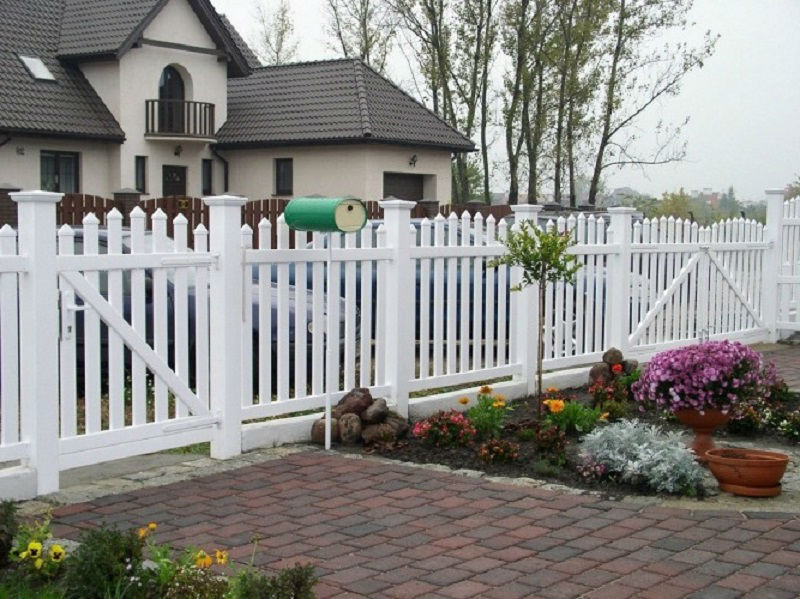
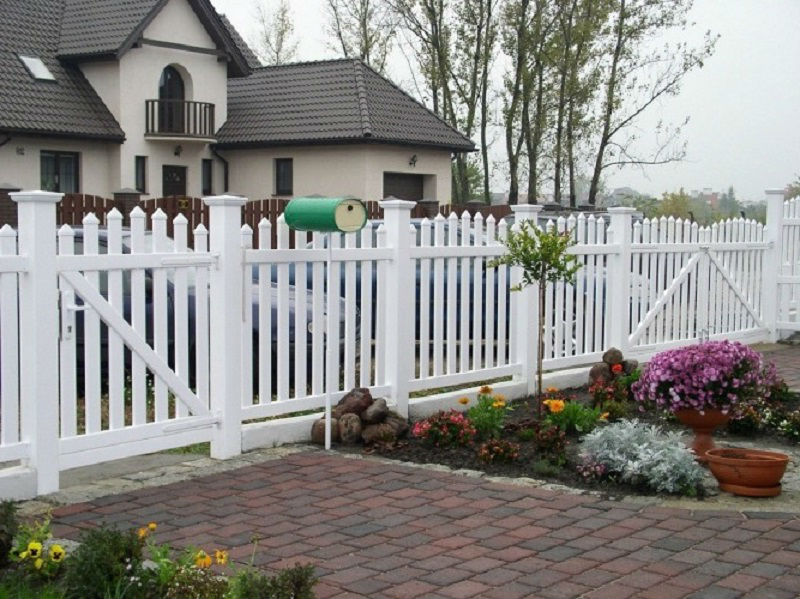
Many owners of private houses wonder what material to use for a fence, as this structure is needed to protect the property from thieves, prying eyes, and to provide an aesthetic appearance. It doesn’t matter whether you plan to erect the fence at a dacha or near a residential cottage; the important thing is to understand the construction process and to know exactly which material will give you a long‑lasting, functional barrier.
To determine what material to use, you first need to clarify the purpose of the fence and become familiar with the building materials currently available on the market that are designed for this task. When choosing a fence, pay attention to the following important factors:
Considering these aspects will help you select a high‑quality, reliable, and attractive building material suitable for fences of any complexity.
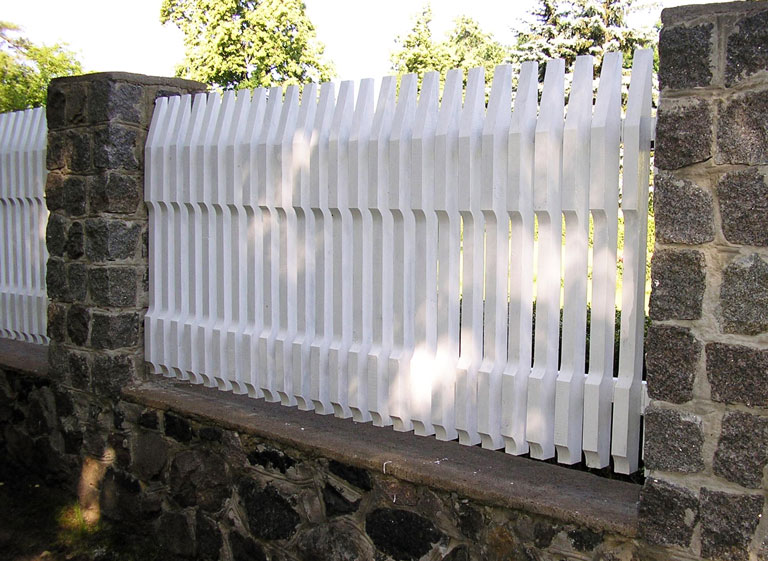
Modern manufacturers offer a wide variety of materials that are well suited for fence construction. The choice of material determines how the fence is installed, what security functions it performs, and, of course, its price. If you are looking for a cheap fence, study all existing types carefully. The current market includes the following fence material options:
Profiled sheet (Profnastil) – one of the most common solutions, providing a high level of protection for any area. It is easy to install, durable, requires little maintenance, and its appearance can be improved simply by painting. It is also an economical option.
Wire mesh (Rabbits) – another budget‑friendly variant. Its security function works only if the wire thickness is at least 1.8 mm; thinner wire can be cut with pliers. This option is ideal when you need a fence with excellent light transmission, often used in gardens for vegetables, plants, and fruit trees.
Sectional mesh in frames – a more aesthetic and durable type. The mesh sections are enclosed in sturdy metal frames between the posts, preventing sagging and giving a neat look. It is significantly more expensive than a simple mesh fence and more difficult to install because of its weight and bulk, but it can serve for many decades and is still cost‑effective over its lifespan.
Wood – perfect if you want an aesthetically appealing fence. Wood adds elegance, is easy to install, and is relatively inexpensive. It can be assembled by the owner, and minor repairs can be performed by someone without special experience. The main drawback is low security, as wood can be broken relatively easily.
Brick – offers the highest security, a long service life, and an attractive appearance that draws attention. Installation is labor‑intensive and costly, but the fence requires virtually no maintenance.
Polycarbonate – a strong, corrosion‑resistant material that provides reliable protection. Installation should be carried out by professionals. When combined with other materials, it can also deliver good aesthetic results.
Profiled metal pipes – usually assembled by welding round or square steel tubes. Such fences are used for high‑security sites because of their strong protective qualities. They are relatively expensive, so not everyone can afford them.
Wrought‑iron fence – if you want a fence that adds sophistication to your manor, choose a wrought‑iron design. It is prized for its prestigious look and is favored by those who value design.
Metal picket fence – a long‑lasting, low‑maintenance solution made entirely of aluminum, which does not corrode. Although it is not the cheapest option, manufacturers apply a special polymer coating that offers a wide range of colors to match any design.
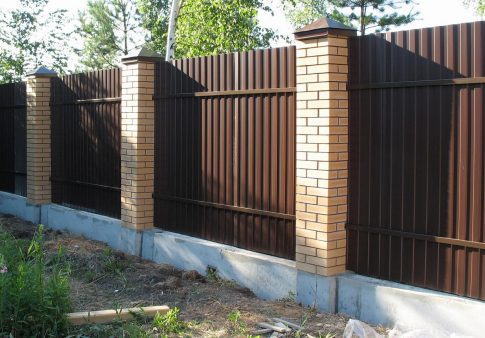
When faced with the question of what a fence can be made of, you have a large selection of building materials. To choose the right option, analyze your needs and study the characteristics of each material. Every material has its own pros and cons—some people prefer wood, others like stone. If you are looking for an economical solution, profiles sheet, metal mesh, or wood will meet those goals.
Comments