Articles
Current Apartment Interior Design Styles: Overview and How to Mix Them
Explore the main apartment interior styles, their key features, and tips for combining them in your home design.

Articles
Explore the main apartment interior styles, their key features, and tips for combining them in your home design.
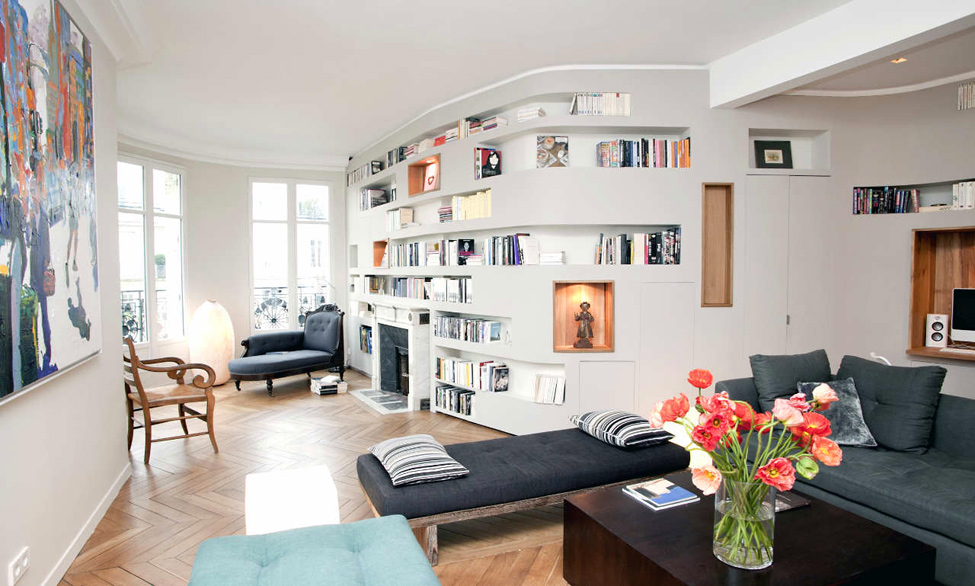
Usually, the interior style is the starting point for any renovation. A stylistic direction is a set of interior traits characterized by a unity of expressive techniques and means, an ideological or artistic commonality linked to a particular period or architectural style. Today, a number of main directions can be distinguished for the design of residential, commercial, and industrial spaces.
The style of an apartment is initially considered a reflection of the leading idea of the design project. When choosing a stylistic direction, the homeowner should take into account personal habits, preferences, and worldview. The overall picture of the interior style, its relevance and harmony, depends on the thoughtful selection of each individual element. A specific stylistic direction can highlight the owner’s individuality, which is why the choice must be made consciously and seriously.
Today many designers are considered versatile because they work across various directions, from traditional classic to modern innovative high‑tech. Apartment interior styles can effortlessly create luxurious Eastern homes, uniquely Japanese‑styled spaces with a deep philosophical approach to room design.
Some modern homeowners admire New York‑style interiors, while others prefer Mediterranean or French Provençal directions. Timeless classic style also remains constantly relevant, impressing with elegance and variety.
Creative personalities choose luxurious Art Deco, village lovers opt for romantic Country, and radicals often turn to strict Minimalism. Eclecticism and contemporary settings are gaining popularity. The diverse, multifaceted apartment interior styles can be used either in pure form or combined.
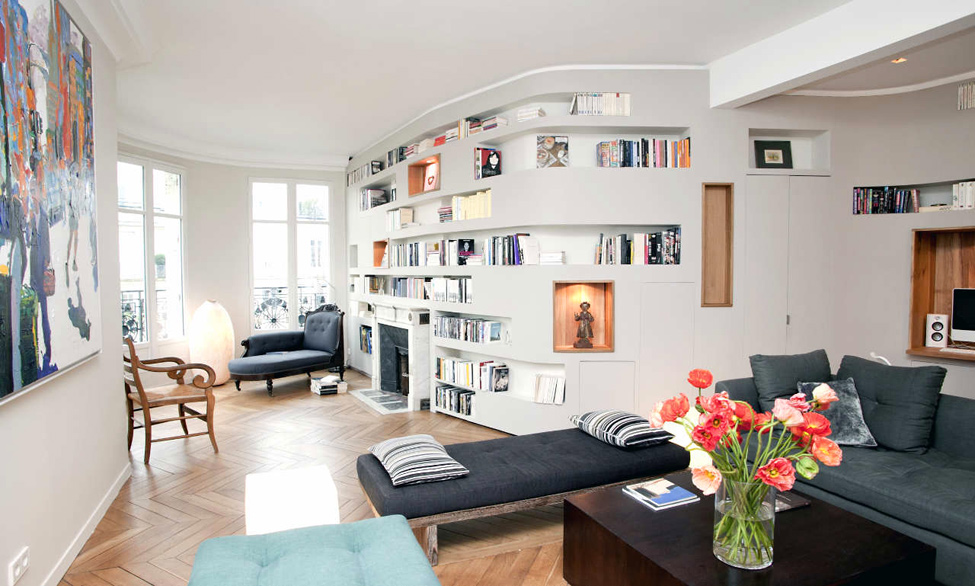
Classic style is eternal and will never be forgotten. This branch of design is understandable even to someone far from the field. Refined chic and calm exclude clutter and chaos. Elegant, formal renovations attract attention with their meticulousness and become a sign of social status and wealth. The only drawback of this type of décor is its high cost. Luxurious furniture styles such as classic pieces are rare, with expensive finishes.
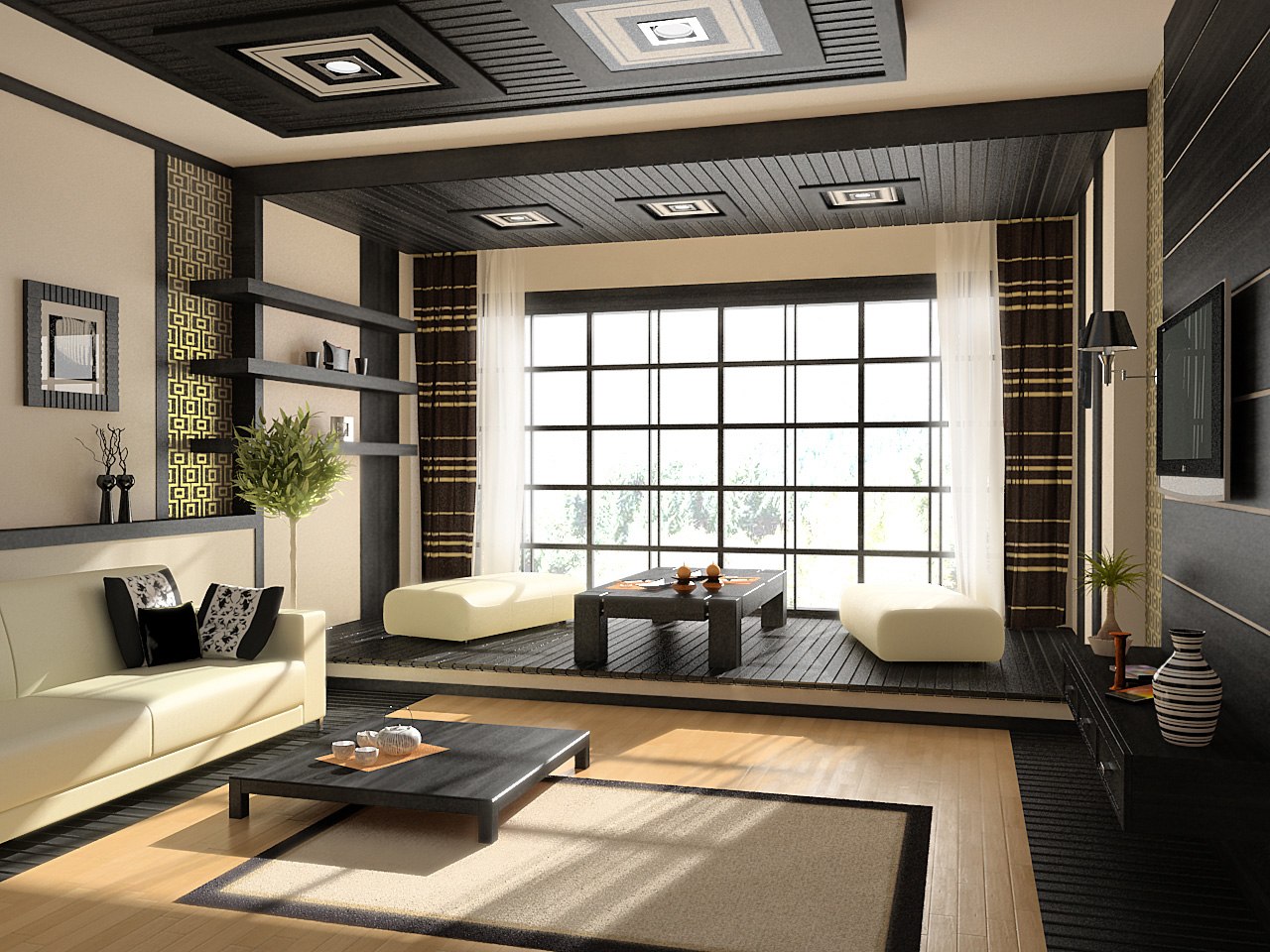
The main principle of a minimalist interior is to maximize free space. The design features monolithic, clear, geometric forms and solid surfaces. Predominantly natural, simple materials and a restrained colour palette are used. Windows should be as large as possible, and rooms are best merged into an open‑plan studio, eliminating interior partitions. Minimalist décor lacks decorative elements; ordinary curtains are best replaced with blinds or screens. Light sources should be hidden and streamlined.
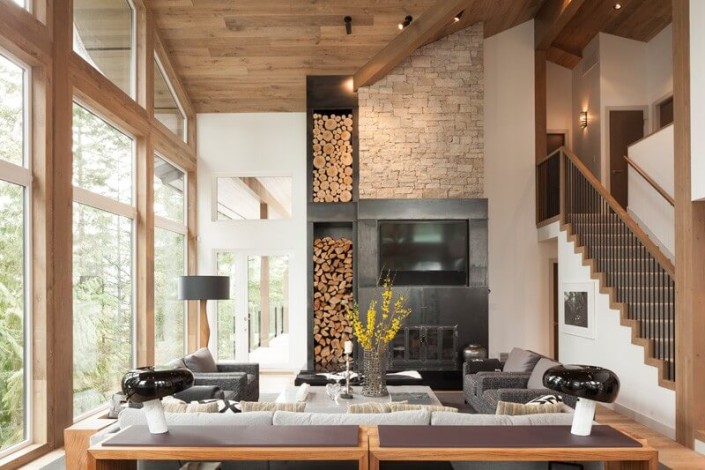
This direction embodies coziness, comfort, and family warmth. It is important to note that Country style does not tolerate ultra‑modern elements that cannot be described as “eco‑friendly,” “natural,” or “rural.” The following are not recommended for this style:
Forged metal, aged metal, and bronze fit perfectly into a rustic interior. Ideal wall finishes include paper wallpaper with floral, stripe, or checkered patterns, vinyl wallpaper imitating textile texture, decorative plaster, stone or brick masonry, and wooden panels or planks.
Country‑style furniture must also be strictly consistent. Some mistakenly think the furniture should be antique, which is incorrect. Design pieces should be wooden and aged. Any colour tone may be used provided it is not overly saturated or bright.
This direction combines practical functionality with a luxuriously attractive aesthetic. Art Deco continues the classic style, so each room should feature a compositional centre and a symmetrical approach. The style merges various interior trends, making it multifaceted, distinctive, and exclusive.
Forms and lines of various plans are allowed. Sharp edges and clear lines reminiscent of Cubism, as well as scrolls, arches, and curves typical of Modernism, can be used. For example, a single kitchen may seamlessly combine Aztec patterns, Mexican ornaments, and streamlined objects. Materials may include metal, wood, plastic, fabrics, and glass.
There are countless interior styles today, making it impossible to cover them all in one article. However, knowing the basic directions enables a homeowner to develop a design for their apartment or house independently. All listed styles can be mixed, but blending should be done carefully to achieve a cohesive, harmonious look. Every detail matters—finishes, furniture, décor, space planning, and any other element must be considered.
Comments