Articles
Features of High-Tech Style in Interior Design
Explore the characteristics of high‑tech interior style, its history, core principles, and practical tips for using it effectively in modern homes.

Articles
Explore the characteristics of high‑tech interior style, its history, core principles, and practical tips for using it effectively in modern homes.
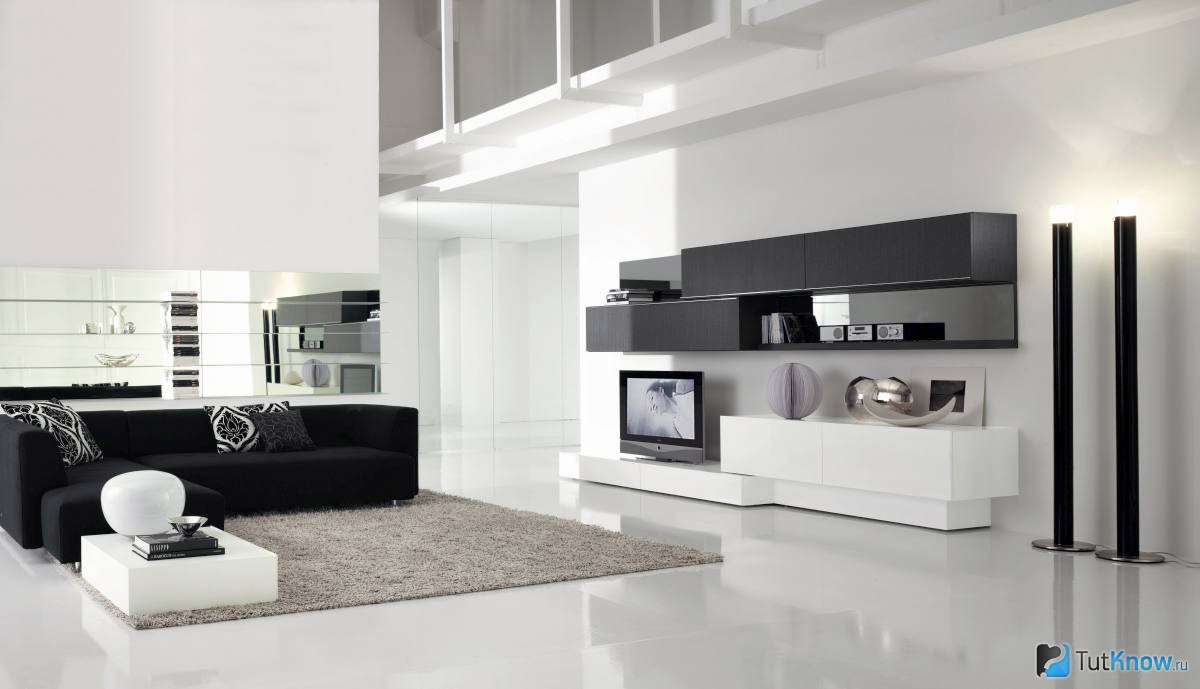
High‑tech interiors are typically chosen by people who keep up with the times. This stylistic direction blends organically with the modern pace of life. Functional, simple, rational, technological, and low‑maintenance, such interiors often become the choice of business‑oriented, successful individuals who appreciate fresh, innovative ideas. The term “high‑tech” translates from English as “high technologies”. Dynamism, originality, and a fresh mindset help the interior look avant‑garde and contemporary.
However, applying this direction to an apartment or house should be done with caution to avoid overdoing it. Not everyone can master the art of combining the seemingly incompatible, so a lovingly crafted space can turn into something humorously called “high‑tak”. To prevent such mishaps, it is recommended to study the style’s specifics, understand how it differs from others, know where it works best, and where it’s better left out.
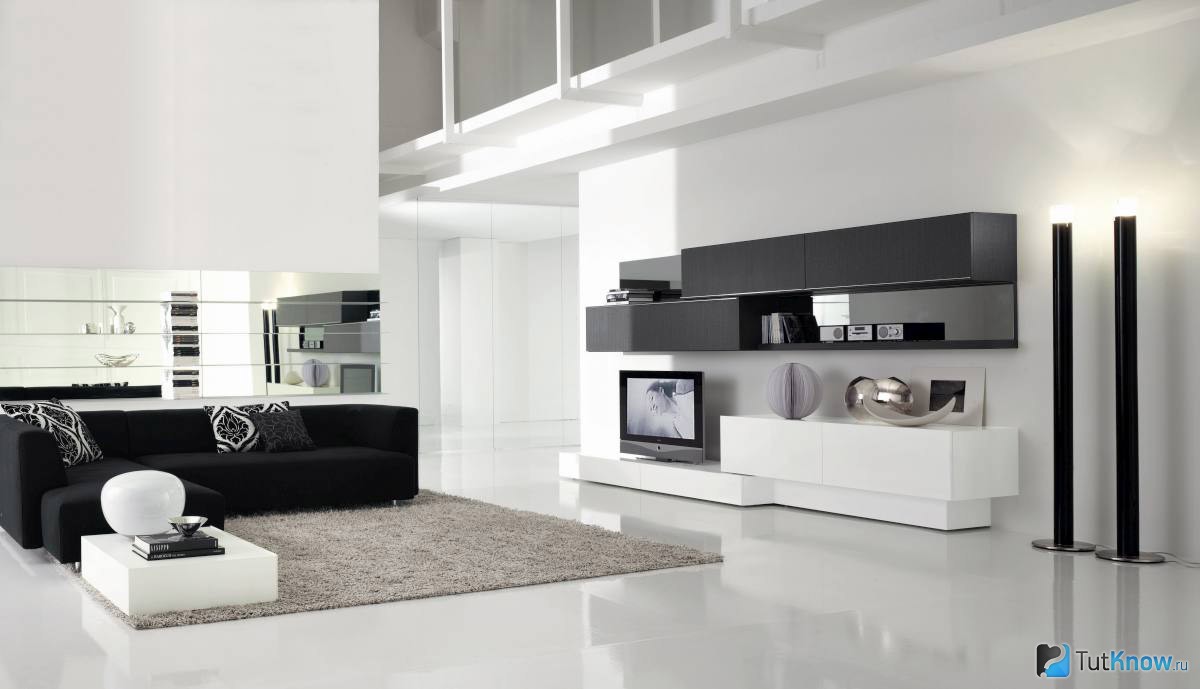
The first mentions of this style, a child of late‑period modernism, date back to the 1970s. Ten years after its emergence, high‑tech spread and became popular. It intertwined with pop‑art and illustrations for scientific or sci‑fi works, creating a real explosion that shook established traditions.
The genre’s classic example is Paris’s Centre Pompidou, built in 1977. Initially, Parisians received the building poorly, claiming it scarred the historic center of France. Times have changed; today the structure is a landmark that French people proudly show to visiting tourists.
Later, high‑tech won over architects in England, who tried to develop and implement it, but the style never really took root there. Moreover, the well‑known high‑tech buildings worldwide can be counted on the fingers of two hands. In the 1980s, however, high‑tech found its niche in interior finishing of residential spaces, and its popularity has been steadily rising ever since.
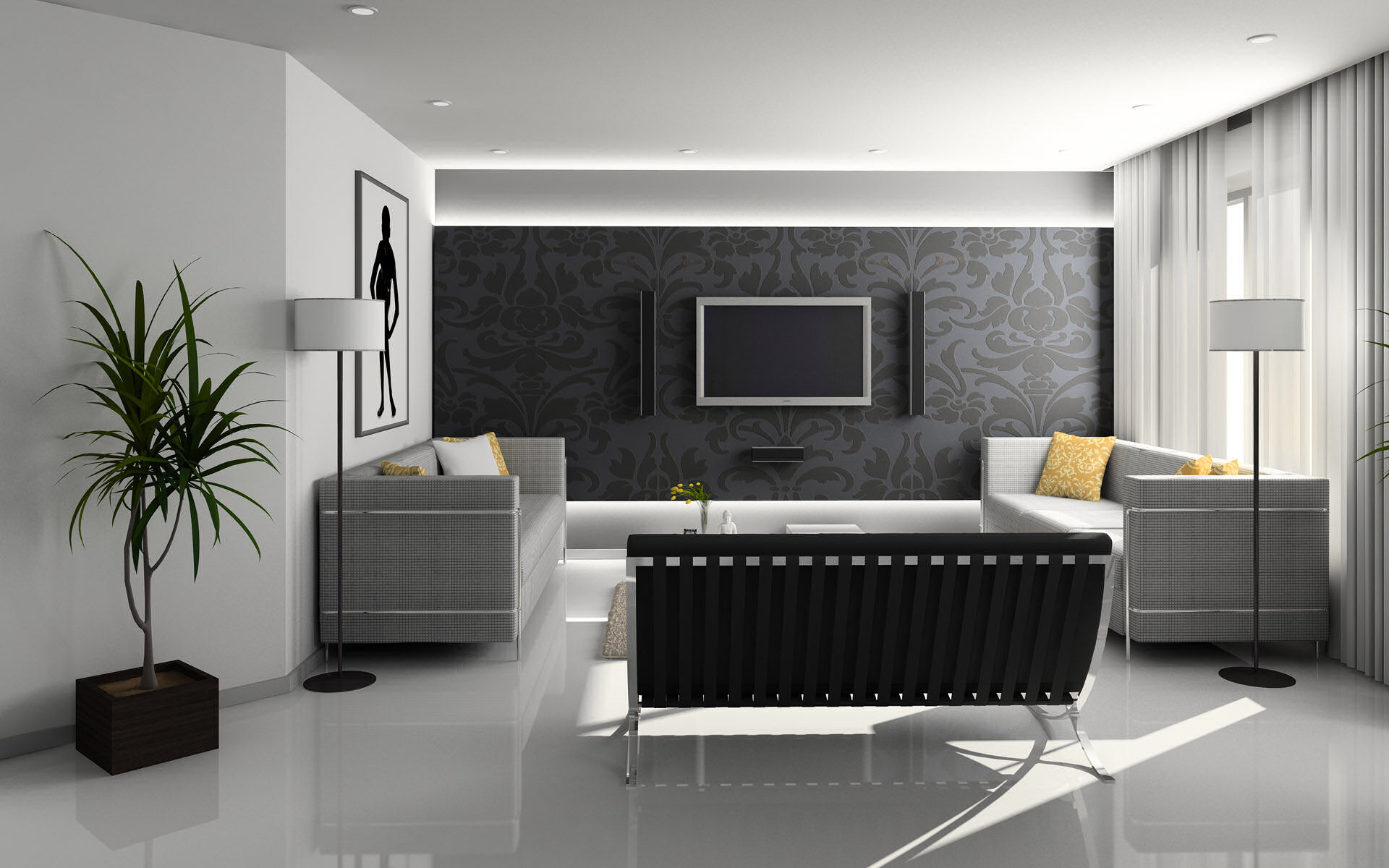
Several key principles define a high‑tech interior concept. The distinguishing features are few, but essential:
A high‑tech room always feels spacious and practical. If applied in its pure form, it can become “cold” and unwelcoming, so blending it with other styles to soften the rigidity is advisable.
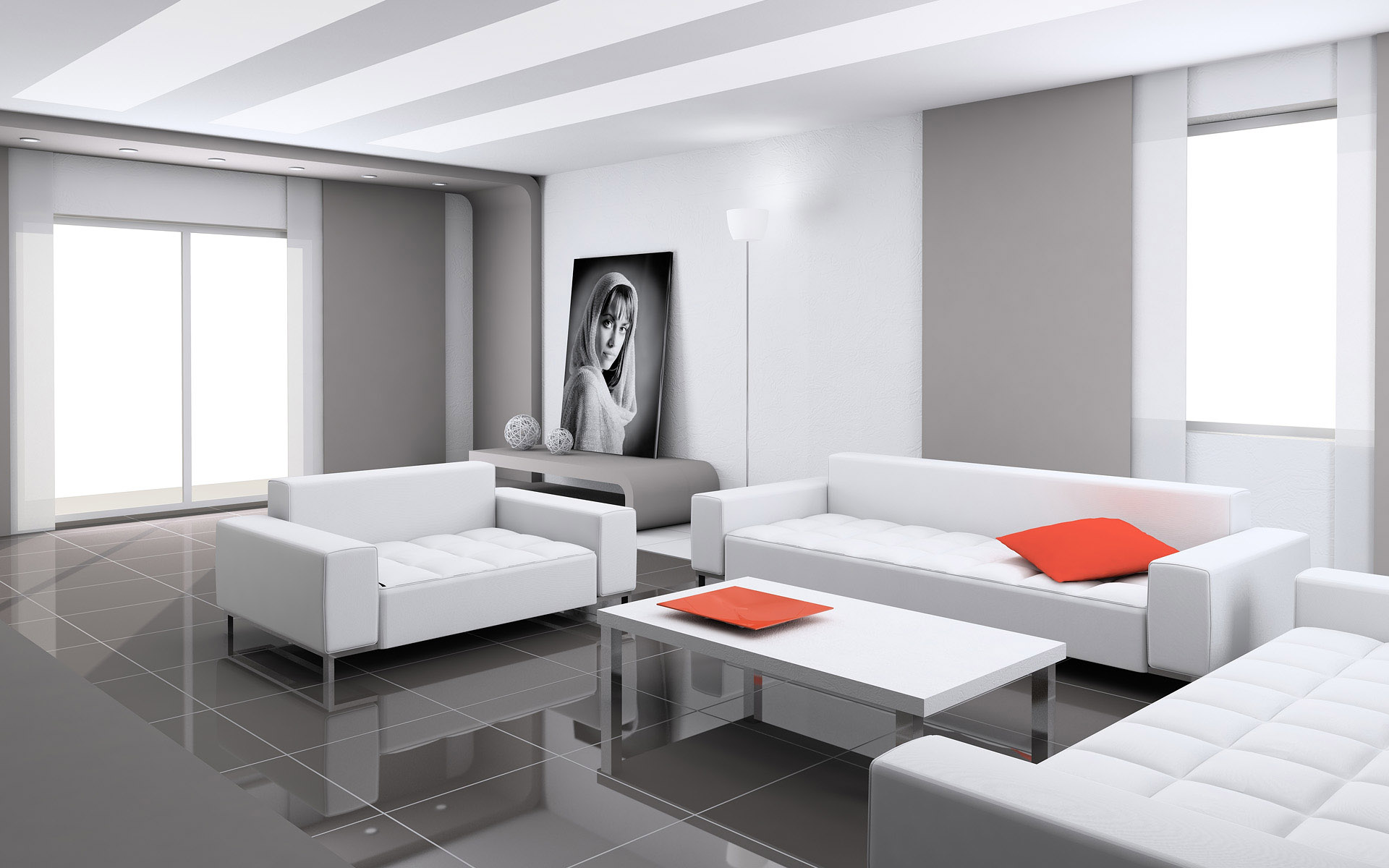
When it comes to furniture, the preference is for sets made of polished metal, faux leather, or plastic with chrome, stainless‑steel, or bent‑tube accents. Proportions and shapes are carefully considered. Functionality takes precedence while maintaining an attractive appearance. The heightened practicality makes the style suitable for compact dwellings and spaces that require maximum versatility, such as kitchens, bathrooms, and corridors.
The core concept is that everything must be practical. Additionally, high‑tech interiors feature exposed structural elements and engineering equipment. The lack of decorative ornaments is compensated by the “work” of materials—reflections on chrome, glass, and treated wood.
Comments