Articles
How to Choose a Design for a Small Bathroom
Discover practical tips for designing a small bathroom—optimal layout, furniture choices, color schemes, and accessories to maximize space and style.

Articles
Discover practical tips for designing a small bathroom—optimal layout, furniture choices, color schemes, and accessories to maximize space and style.
Today many homeowners who want to renovate one of the most frequently used rooms in an apartment are wondering which design to choose for a small bathroom so that it combines beauty, elegance, practicality, and functionality. Modern designers often implement a minimalist style in such limited areas, giving the space a neat and sophisticated look.
For example, Baroque is completely unsuitable for a narrow or square small space. A bathroom done in this style would appear vulgar because of the garish, overly bright colors and the large number of ornate details. These elements visually shrink the room, making it feel cramped. Ruffles, floral motifs, statues, and complex patterns simply do not work in a small bathroom; only clean lines and a minimal amount of accessories are appropriate.
To arrange the space around the bathtub, you need to study the smallest details and features that will help you decide on the interior and make it more suitable. So, what do you need to know to plan the design of this room? The answer is fairly simple: choose the right furniture, create the illusion of a larger space, and select appropriate accessories.
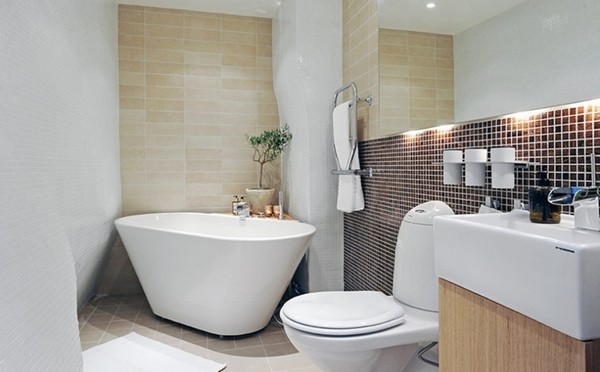
One of the most common ways to visually enlarge a room is to install a wall‑mounted mirror. If you own a small bathroom and finding a design is challenging, this solution can significantly ease the problem. The downside is that mirrors tend to fog up in high humidity. Modern design also demands that glass, walls, and mirrors stay perfectly clean, so you must be ready to wipe away moisture daily.
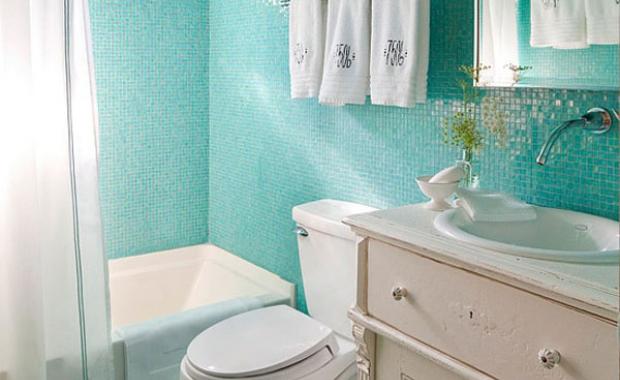
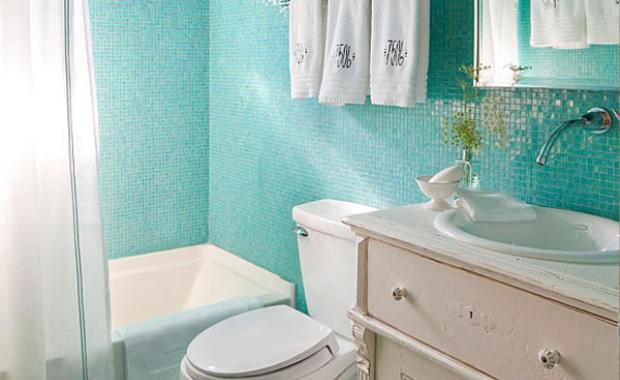
Another method that can make the room appear larger is using pleasant, soft pastel tones and light shades. However, overusing pure white is not recommended, as staying in an all‑white space for long periods can be mentally draining and may lead to discomfort. White tiles in a small bathroom also require frequent cleaning because they get dirty quickly.
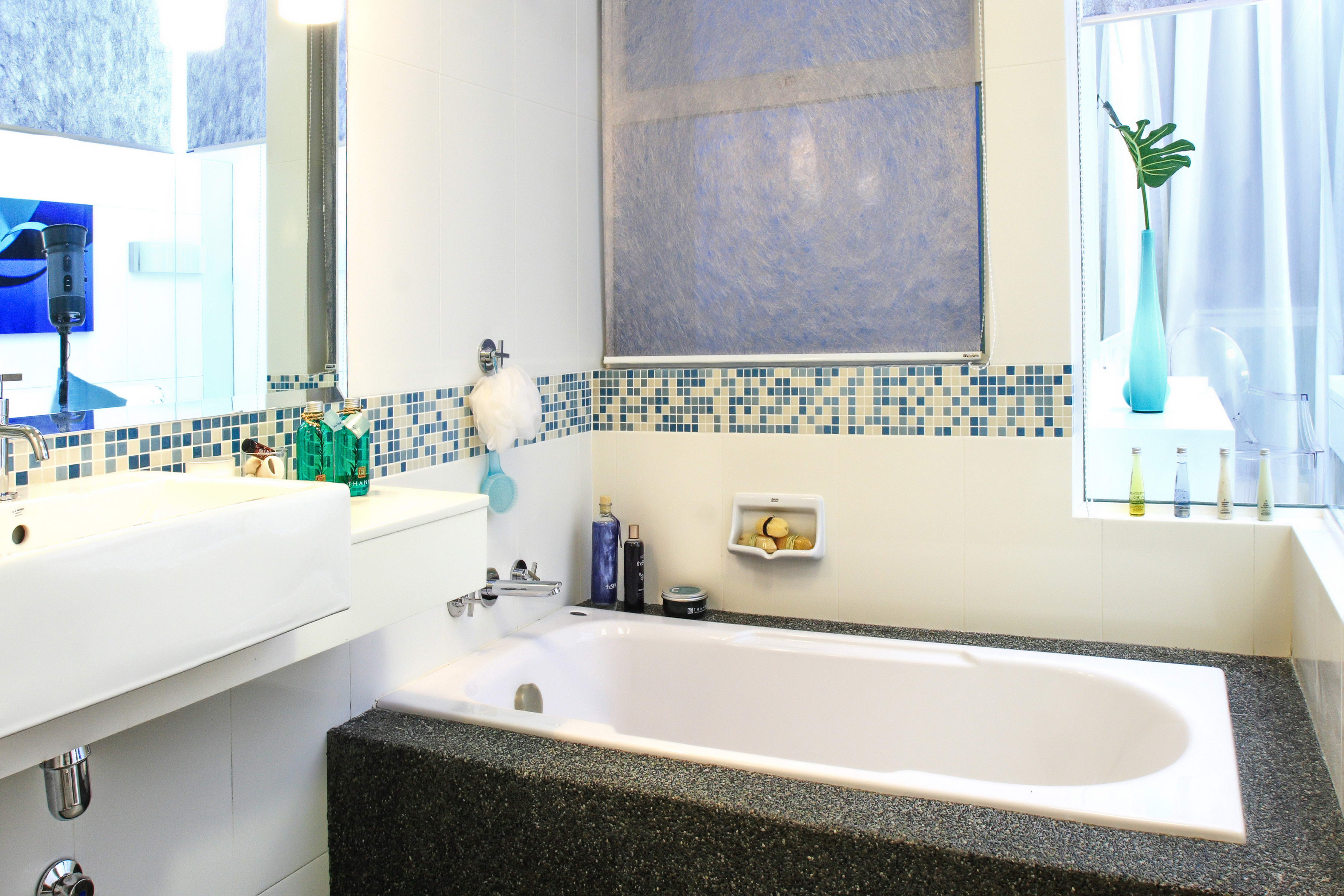
Therefore, it is better to choose light colors such as beige, pink, olive, or similar shades. Bright decorative elements—on mounted shelves, the sink, or the bathtub—can add contrast and liveliness. Horizontal stripes on the walls also broaden the visual width, while vertical stripes elongate the space.
Today, modern wall‑mounted or built‑in cabinets are widely used in bathroom designs. Some owners install shelves as a single continuous panel without gaps, which completely hides the wall. This approach can make an already small bathroom feel even tighter. The feeling of cramped space often comes not from the actual area but from the objects placed inside it, especially furniture. Therefore, select furniture so that shelves flow smoothly into each other. Regarding cabinets, built‑in units are the best choice because they make the room appear larger.
On the mounted mirror surface you can install lighting or backlighting. Ceiling lighting is also essential; bright light creates the impression of a spacious area. In such a room you can relax after a hard workday and enjoy a comfortable bath.
When planning a small bathroom, it is advisable to use an outward‑opening door. A door that swings inward “eats” valuable centimeters of space. Many owners now install sliding doors, which save space on both sides and add a modern touch to the interior. The market offers a wide variety of sliding doors, so every homeowner can find a style that suits their taste.
To refresh a small bathroom, consider the following points:
In addition, remember that a “clean” bathroom should be built with high‑quality materials. Only then will the plumbing function reliably and the chosen finishes serve you faithfully. As you can see, designing a small bathroom is not difficult; the key is to consider the main nuances that visually enlarge the available space. Don’t be afraid to experiment, and you’ll achieve a great result.
Comments