Articles
How to Choose a Modern Apartment Design: Tips and Ideas
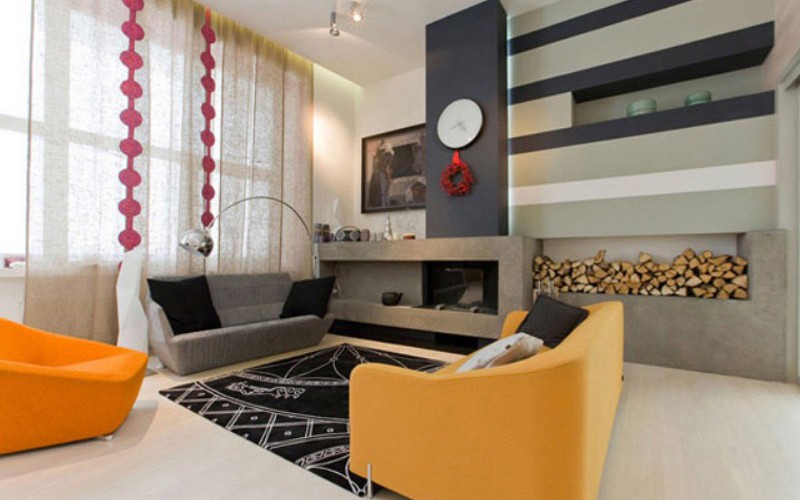
Modern style design offers attractive, functional interiors that combine comfort and simplicity for a contemporary living space.

Articles
Modern style design offers attractive, functional interiors that combine comfort and simplicity for a contemporary living space.
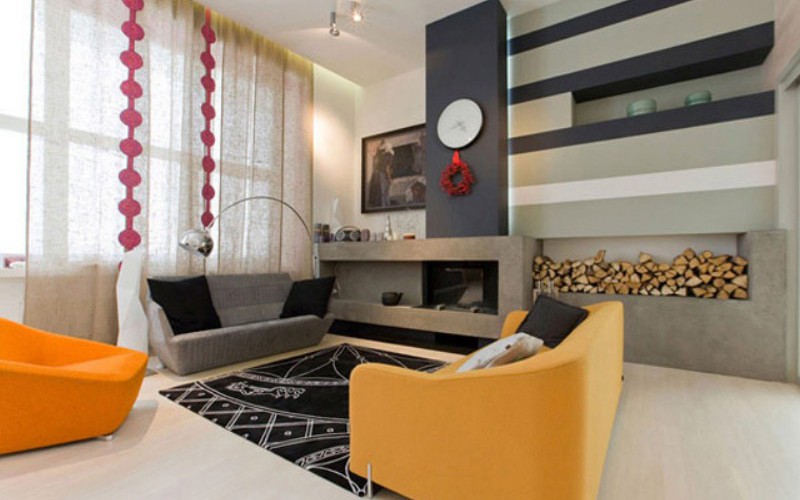
Today, almost every property owner wants to arrange their apartment so that it stands out for comfort, beauty, and coziness. That’s why modern‑style design has become popular—it embodies all these factors. This stylistic direction has its own characteristics and distinctive features. Therefore, if you have decided to finish your apartment in this style, you should study all existing details and nuances so the final result delights you every day.
A 21st‑century modern apartment must be not only comfortable and cozy but also functional, unified under a single stylistic direction that matches current trends and the owner’s lifestyle. To achieve this, some effort is required.
One of the main traits of a modern apartment design is that everything should be simple—minimal décor. This stems from the fact that the leading design trend of this direction is minimalism. The interior includes only the most necessary furniture; all surfaces should be finished with plain materials to avoid a feeling of overload, excessive pomp, or luxury. These rules fit perfectly with modern housing, which often has limited floor area. To visually enlarge even the smallest “room,” you need to create a sense of space and air.
Wall coverings in this type of interior are usually monochrome, without loud patterns, bright prints, or abstract designs. To break the monotony and avoid a dull look, you can add artworks such as paintings, subtle sculptures, statues, etc. Gaudy accessories and tiny knick‑knacks are not typical for this style; every decorative element is chosen strictly according to the existing colour palette and shape, supporting the overall picture of the apartment.
Before you start furnishing, decide on an overall colour palette and select every detail of the interior. Only after that should you choose the main furniture. It’s best to furnish the living area with functional, high‑quality pieces, as they will last longer. Following these recommendations, a modern‑style apartment will feel cozy and will please its owners daily.
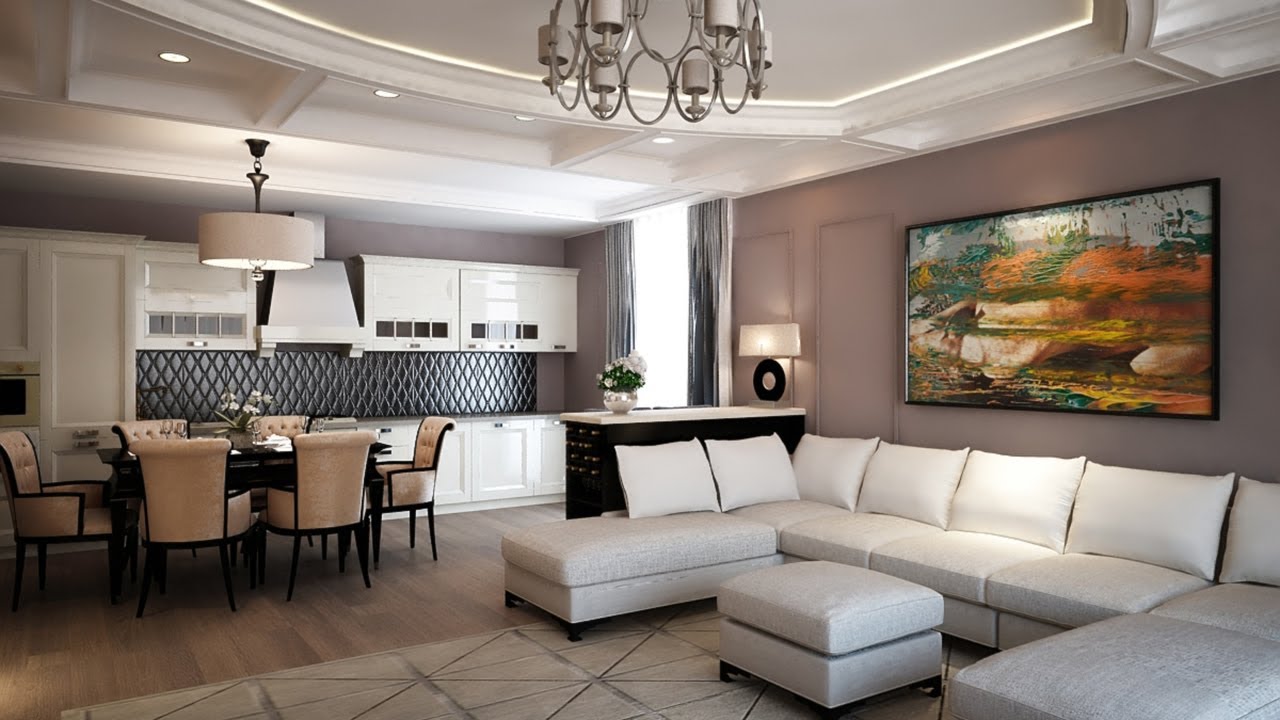
Modern design embraces a wide range of colour palettes, but you should follow one important rule: the scheme should contain no more than two‑three harmonious shades. One colour must dominate. The most common colour is white, used in almost every style because it provides an excellent background for any idea. Natural tones are also popular, such as:
Only with such a restrained palette will a modern design look truly beautiful, attractive, comfortable, and cozy. In addition to the basic palette, you may add accent colours like light blue, lilac, pink, orange, yellow, violet, or green, but use them sparingly to avoid ruining the minimalist feel.
A basic rule is restrained organization of the available space. Small rooms should be furnished minimally; otherwise, they look cluttered. The hallmark of modern design is an abundance of fresh air, light, and space. Renowned designers advise arranging furniture in groups. This creates a concise look without making the space feel empty and helps divide the apartment into functional zones.
Proper lighting also aids zoning. Nowadays, relying solely on a central ceiling light is rare. Many designers add spotlights, floor lamps, wall sconces, or even illuminate the furniture itself. The more varied the lighting, the more interesting and dynamic the space appears.
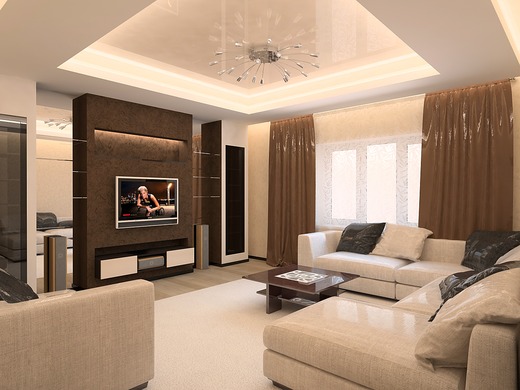
All surface finishes should be simple, without unnecessary extravagance. A typical modern‑style apartment uses solid‑colour wallpaper or non‑bright paint on the walls. To create a striking accent, you can paint one part of a room in a vivid hue, highlighting a functional zone. Paintings or posters framed in clean wooden frames add personality.
Ceilings are often finished with drywall, creating additional tiers. Multi‑level ceilings are popular because they accommodate spotlights. Some designers prefer stretched‑fabric constructions. As for floors, you can be creative—use any covering except carpet tiles, as modern design avoids “rough” surfaces. By following these guidelines, you can design your living space yourself without needing professional help.
Comments