Articles
How to Choose the Perfect Boy’s Bedroom Design
Learn how to select the right bedroom design for your son, considering age, style options, and practical tips for a functional, stylish space.

Articles
Learn how to select the right bedroom design for your son, considering age, style options, and practical tips for a functional, stylish space.
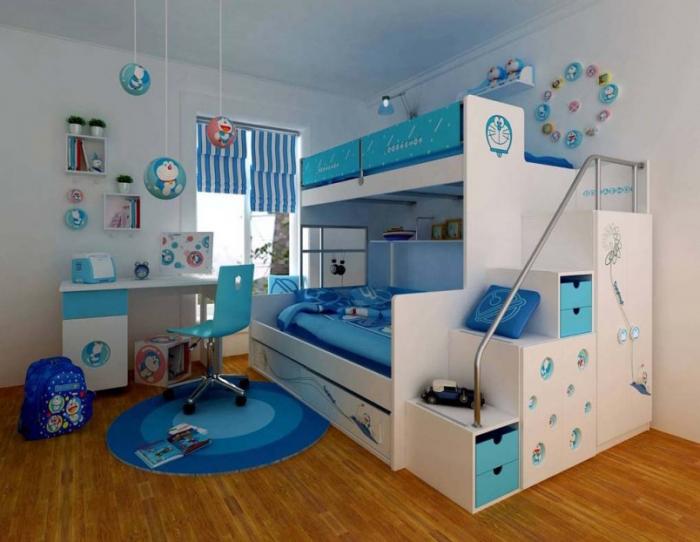
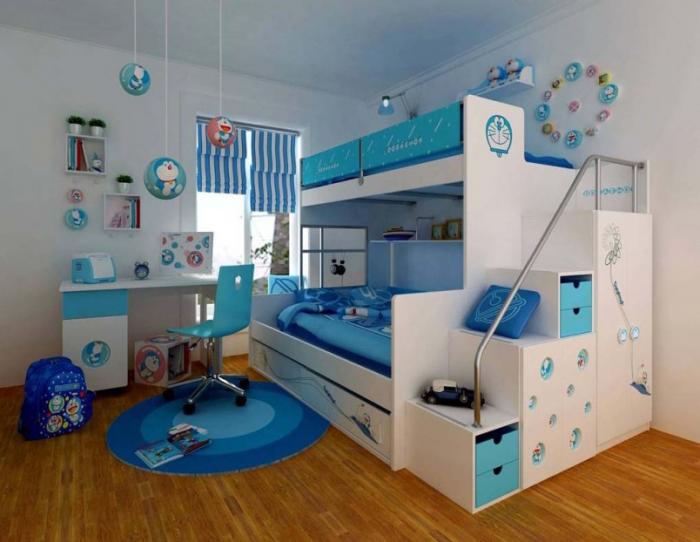
Today many parents who have started a full‑house renovation wonder which design will work best for a boy’s room, given the wide variety of styles. To make a decision, it is recommended to study all existing features, stylistic directions, their pros and cons in detail. Designing a children’s space is a serious task that requires full responsibility.
Age is the most important criterion when making this choice. A two‑year‑old’s sleeping area differs significantly from a seventeen‑year‑old teen’s room. If your “kid” is under ten, it is advisable to use light tones so as not to overwhelm his delicate psyche. Older children should start making decisions themselves, because for a boy the room design means a lot – he spends most of his life there. Before starting the finishing work, ask your son what he would like to see in his bedroom.
Modern designers have created many interior solutions that work well for a children’s room. There are numerous stylistic directions, so to choose one, it is recommended to get acquainted with each in detail.
If you prefer this style, keep the following points in mind while decorating:
The modern direction can work well even if you don’t follow its rules to the letter. To achieve a successful boy’s room design, sprinkle the interior with details that show the space belongs to a child. For example, place bright children’s drawings in stylish frames on the walls, or match a print on a duvet cover with the pattern on the curtains. Whether it’s cars or dogs doesn’t matter – the key is that the images complement each other, giving the room a stylish look. Also, avoid clutter, as modern design is characterized by minimalism.
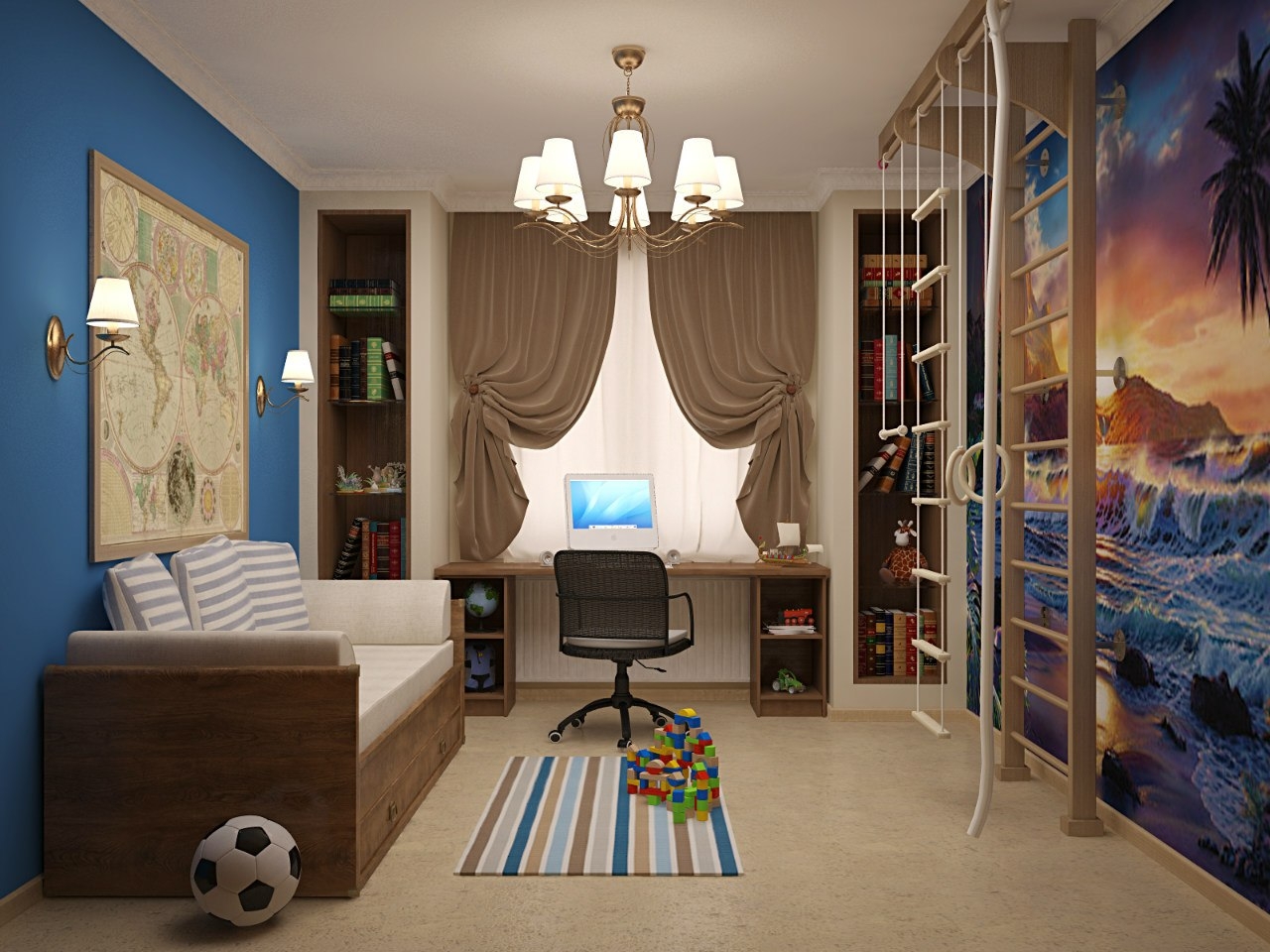
This style works best when the boy is still very young and cannot express his preferences. When choosing furniture for a classic children’s room, opt for simple, durable pieces. Only then will the classic design for a boy’s bedroom look authentic. Over time, some details can be replaced, transforming the old style into something new.
It is advisable to refresh the room’s furnishings regularly, allowing the child to develop creatively and imagine. Classic interiors use “warm” shades. Avoid blue or violet; better choices are green, beige, or a muted orange. The room should feel calm, suitable for both active play and relaxation.
This direction is perfect for hyper‑active boys who love imagination. If you are looking for a bedroom for a boy who enjoys constant change, high‑tech is an excellent choice. Its main feature is easy transformation of existing furniture and the use of vivid colors. Keep in mind that this style requires ample free space, which can be achieved by installing compact furniture.
When decorating a children’s room in a minimalist style, use the minimum number of interior details and furniture pieces, as the style focuses on only the essentials. After the renovation, the room should be functional, sleek, and simple. This direction suits teenagers best. To make the boy’s room appealing to its owner, leave the walls bare so he can later hang posters of his idols or other items.
One of the core principles of minimalism is the owner’s ability to express himself. Therefore, parents should provide only the basics, letting the child add the rest. Modern teens have countless hobbies. Soon after the renovation, the bedroom will fill with items reflecting the child’s main interests – a gaming console, musical equipment, sports gear, etc. The best part: you won’t need to plan everything, the “kid” will do it himself.
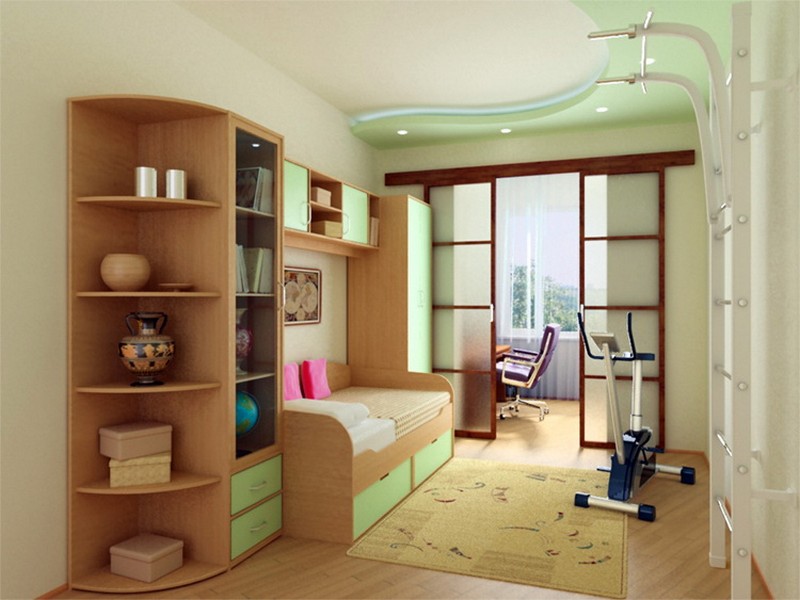
This style is quite popular. Although a modern teenager’s bedroom can be interpreted in many ways, many parents choose the nautical direction. When decorating a “sea‑style” bedroom, you can use any shades that remind of the ocean: blue, yellow, beige, white, green, gold, azure, red, turquoise, and others. This color palette works well for a boy and does not negatively affect a teenager’s nervous system.
When selecting colors, choose one dominant hue for the majority of the room and complement it with the other shades. The main finishing material is wood. Floors are often covered with parquet boards, creating a deck‑like feeling. Wall cladding is done with wooden panels, turning the bedroom into a true cabin.
So, to design a boy’s room, you need to carefully analyze the available stylistic directions. Only then can you create a unified, functional, and stylish space where your child will enjoy his free time.
Comments