Articles
How to Choose the Right Materials for Building a Private House
Discover the best construction materials for your home, with clear pros and cons to help you pick the most suitable option for your project.

Articles
Discover the best construction materials for your home, with clear pros and cons to help you pick the most suitable option for your project.
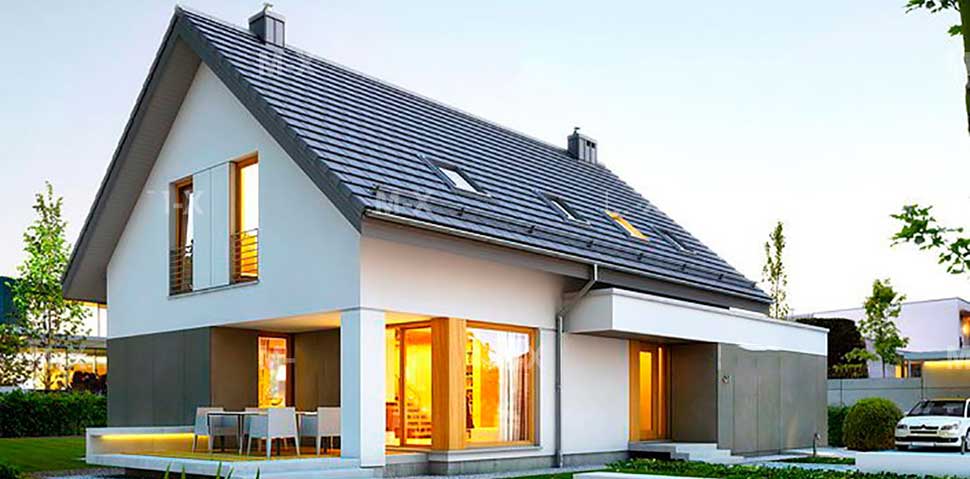
Every landowner eventually faces the problem of choosing materials for building a garage, sauna, or residential structure. It is essential to understand that a house is erected in several stages, the most important being foundation pouring and wall construction. Each owner worries about the aesthetic appearance of the finished building, about having walls that are strong, durable, and warm. In most cases the financial aspect is also critical, so material prices must not be inflated.
The modern construction market is diverse and abundant. However, certain materials are especially popular for house building, including:
Which building material is preferable is decided by the future owner. Before making a final decision, it is worth analyzing the advantages and disadvantages of each option.
Wooden building materials are very popular today. This is explained by the fact that the walls of such structures have low thermal conductivity but high heat capacity. These materials have a unique feature: when the interior is not heated, condensation formed by a working stove is absorbed by the wood, and later the warmed air draws the moisture back out. Therefore, the microclimate inside these rooms is comfortable for living.
Craftsmen often choose coniferous species such as spruce, pine, cedar, fir, or larch for various constructions. In addition to the sought‑after profiled solid timber, round logs, rafters, ordinary or glued timber are also frequently used.
This material undergoes preliminary processing. A high concentration of resins inside the wood makes the structures durable and protects them from adverse environmental effects. Several decades ago this material was rarely chosen because manual fitting took a lot of time. Today the beams are produced on machines; modern technical processing allows the elements to fit together perfectly, leaving minimal gaps. Consequently, such materials are now among the most in‑demand for house construction.
When reviewing today’s building materials, attention should be paid to round timber logs made from coniferous wood. They are more durable than the first option, and constructing buildings from these logs takes minimal time.
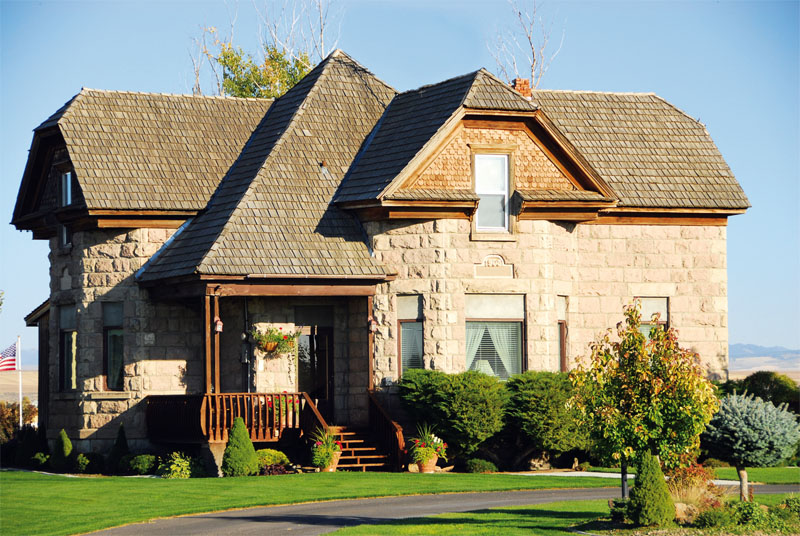
Most modern builders choose brick for private or country houses. Brick structures are ecological, long‑lasting, strong, and have an attractive appearance. The most common type is silicate brick, whose buildings serve for many decades. Clay brick is also popular; it offers high strength, resistance to aggressive environmental factors, and frost resistance.
These products have both advantages and drawbacks. During transportation, especially over long distances, a small portion of the product may lose its pristine appearance. The cost of this material is not low. Brick walls retain heat significantly less than wooden ones, so houses built of solid or semi‑effective brick need additional insulation. Builders often use special thermal‑insulating plaster as the insulating layer.
Builders turn to this material when the budget is limited. The blocks are characterized by high strength, thermal stability, and low weight. They withstand temperature fluctuations: they do not crack in the cold and do not expand under heat. Compared with solid concrete walls, aerated concrete has a thermal conductivity eight times lower. This material is also suitable for internal partition walls. Structures made of aerated concrete do not require extra insulation, which reduces construction costs by roughly thirty percent.
Because of the low weight, the pressure on the foundation is reduced. Labor intensity also drops, as one 15 kg block replaces twenty bricks whose total weight is about 80 kg. In terms of performance, walls of these blocks resemble wooden ones: they maintain optimal indoor humidity and provide adequate ventilation. Additionally, the material is highly safe—it does not burn, rust, or rot and withstands temperatures up to +400 °C.
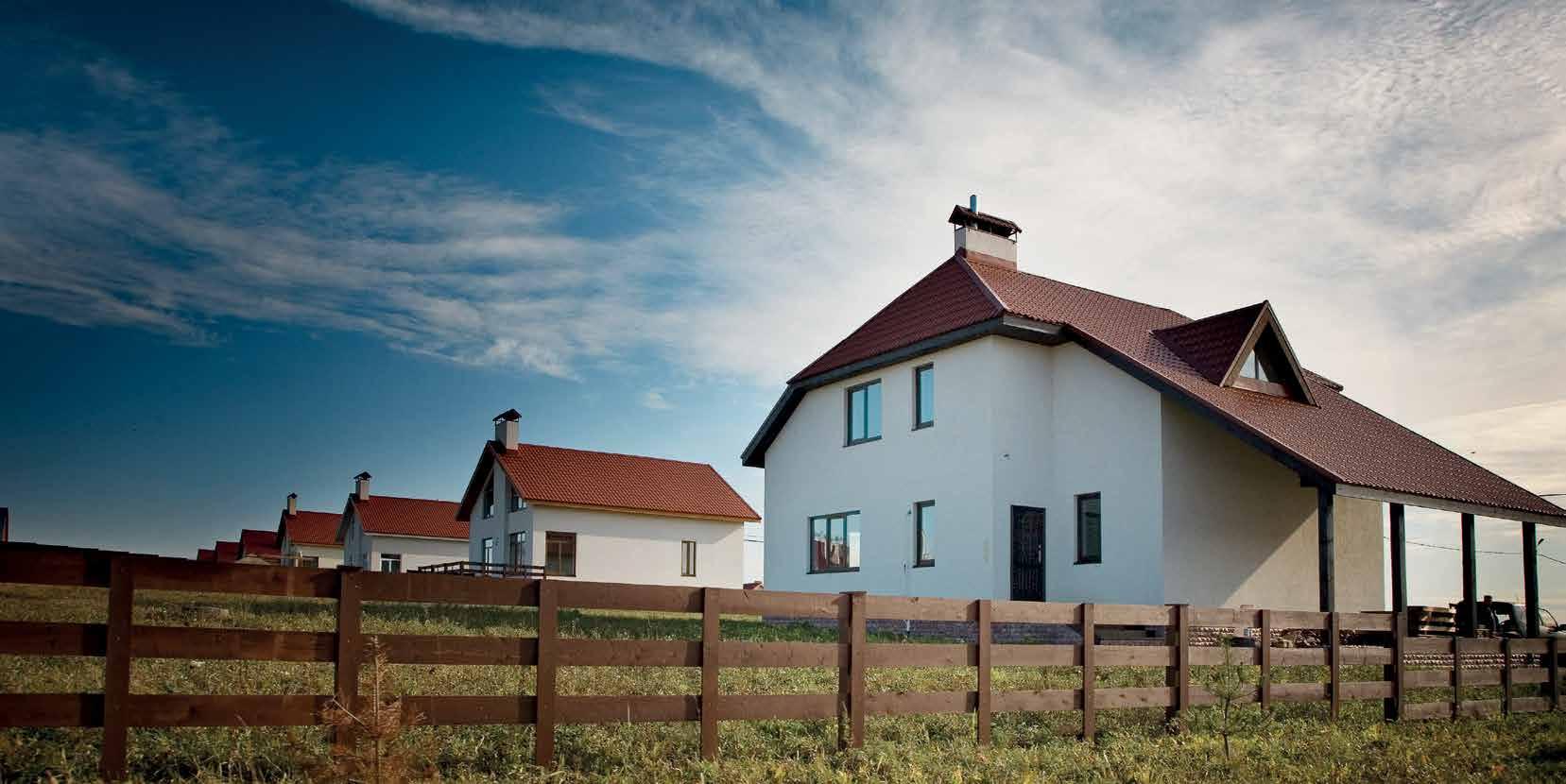
The positive aspects of this inexpensive solution include low thermal conductivity, quick assembly, and relative strength. The main drawback is the lack of natural appearance. Today these panels are widely used as cladding for frame‑panel houses. The construction consists of extruded polystyrene foam encased in clinker tiles. The material can be employed in houses built with an innovative Canadian technology. Its high performance is explained by excellent moisture resistance, high impact and compressive strength, fire resistance, and resistance to biological attacks. Moreover, the material is simple and convenient not only during installation but also in subsequent operation.
Comments