Articles
How to Properly Insulate a Private House – Methods and Materials
Learn effective techniques and materials for insulating a private house to reduce heating costs and improve comfort.

Articles
Learn effective techniques and materials for insulating a private house to reduce heating costs and improve comfort.
Today many owners of private residential properties wonder how to insulate their house with their own hands. Doing the work yourself can significantly reduce labor costs and heating expenses while making the home cozy and comfortable. A house with artificial insulation stays warm in winter and cool in summer. To carry out the procedure correctly, it is advisable to perform all necessary works as a comprehensive project.
Often, in a country house the main places that cause heat loss are windows, floor, walls, foundation, roof, and ceiling – essentially the whole structure. Insulating a private house is not a cheap process, but in the long run you will save a considerable amount on heating. Therefore many owners who want to lower expenses take on all the work themselves. Insulating a private dwelling with your own hands is not a very difficult task; anyone can manage it if they study all the nuances in detail.
Uninsulated window openings usually let a large portion of warm air escape. When you cannot install modern double‑glazed units, be sure to seal all existing gaps in the windows. The following materials are useful:
To ensure successful insulation of a private house, fill the gaps between the frame and the wall with cotton wool, rags, and foam rubber, then cover the resulting layer with fabric strips or adhesive tape. The same result can be achieved using sealant or mounting foam. Pay special attention to the windowsill and the side reveals.
It is essential to insulate the foundation walls, regardless of whether you have a basement. Heat loss often occurs because the ground freezes to a great depth. To solve this problem, use extruded polystyrene foam. This building material does not absorb excess moisture and has high strength. For effective insulation of a private house, line the exterior of the foundation with polystyrene foam, preferably down to the frost depth. It is usually attached to the walls with a special adhesive. The insulation placed underground does not require further treatment, but in the cellar part of the building you can plaster over it.
If you want a comfortable living environment, you must insulate the floor. Without an insulating layer, the floor surface temperature is much lower than the rest of the room, causing cold feet and faster cooling of indoor air. When choosing a material for insulating a private house floor, consider the floor’s construction type. With the right approach, you will achieve good results.
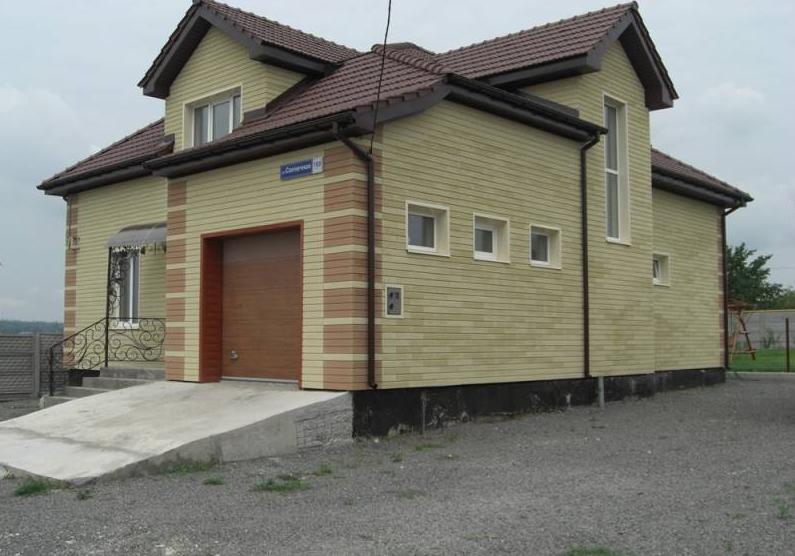
There are two main approaches today: interior insulation and exterior insulation. Professional builders recommend the latter, because the former has many drawbacks:
For exterior insulation, various thermal insulators and mounting technologies are used. The choice depends on the building material – brick, wood, or concrete blocks. Store staff can usually advise you on the best option. If you do not know how to insulate a house yourself, study a step‑by‑step scheme. Only then will you be able to fully enjoy the comfort of your home.
This procedure is best carried out from the attic side. Only then will the upper slab retain heat. Insulation is performed using mats made of mineral wool. Under the mats, install a vapor barrier, and on top place a waterproof barrier. These layers prevent moisture penetration. A cheaper method involves filling the ceiling with sawdust impregnated with a fire‑retardant compound.
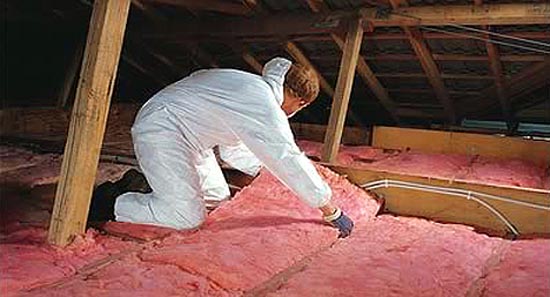
Quality insulation of a private house requires correct execution of all procedures. You must consider every factor that leads to heat loss and eliminate it. Roof insulation is also part of the measures to prevent drafts in a country house, because warm air naturally rises and escapes through the roof. Today, installation technologies differ for sloped and flat roofs.
For sloped roofs, insulation is carried out exclusively from the inside, using soft building materials such as:
These materials effectively retain warm air streams, creating a cozy atmosphere inside the house.
If you have a flat roof, the external method is recommended. Materials used must be rigid and resistant to various weather conditions. After completing the entire set of insulation measures, each owner should install a ventilation system. Your property will then function like a “thermos,” retaining heat for a long time. Before insulating a house, be sure to take all the above recommendations into account.
Comments