Articles
Interior Design Styles: Modern, Classicism, Baroque, Minimalism and More
Explore major interior design styles—modern, classicism, baroque, minimalism—and learn how to blend them for a unique home look.
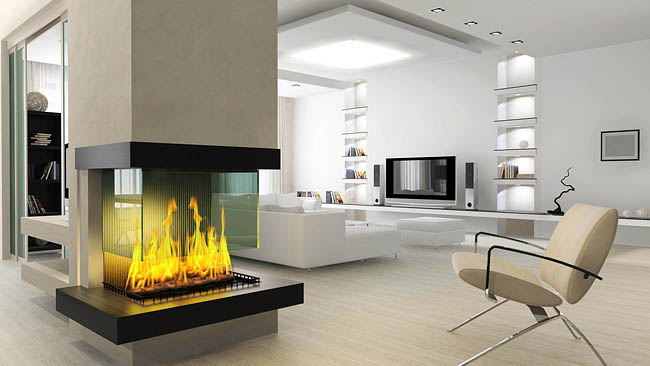

Articles
Explore major interior design styles—modern, classicism, baroque, minimalism—and learn how to blend them for a unique home look.
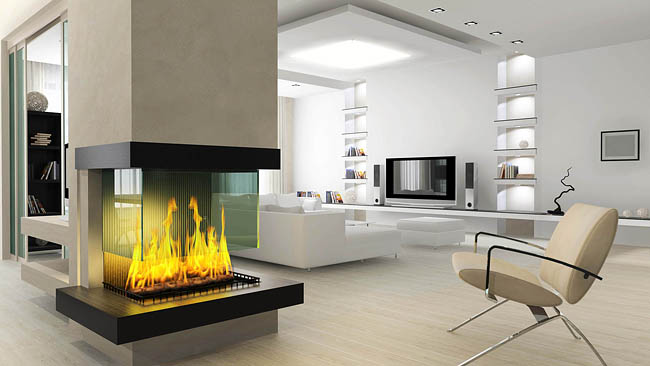
Today, the defining feature of any dwelling is its interior style and design, evident in every detail and the overall picture. A large number of stylistic directions exist, from which the most influential ones can be highlighted. By considering each of them, a homeowner planning a renovation can combine several to achieve an original, unique design.
The modern era provides abundant information, allowing anyone to explore the cultures of various peoples in detail. Based on personal preferences, one can then choose the most suitable option. Currently, several foundational interior design styles are recognized, including Modern, Minimalism, Classicism, Baroque, and many others.
The word “modern” comes from French, meaning contemporary. This style is characterized by curved lines, rounded forms, and complete asymmetry. Harmony arises from the combination of patterns, floral prints, and various interweavings applied to walls, ceilings, and furniture. To create such a design, natural materials—wood, plaster, natural stone—are recommended. The main decorative goal is to achieve both aesthetic appeal and multifunctionality. This design is often used in large spaces, featuring unconventional solutions, open areas, simplicity, and elegance.
When discussing contemporary interior design trends, modern style deserves special attention. Furnishings in this style fit anywhere. Modern décor is memorable for its stained‑glass‑type compositions. Designers frequently use curved cornices, rounded door or window openings. A striking accent is the use of wood, carved glass, and metal.
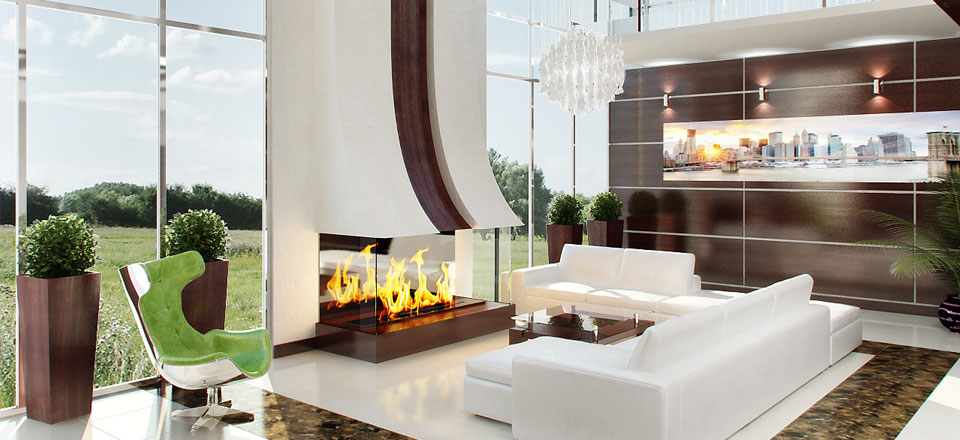
This style stands out for its practicality and rationality. Its main advantage is versatility. When elements are arranged thoughtfully, classicism looks harmonious in any residential space, regardless of layout or size. The sole rule defining this style is that a room should have high ceilings suitable for mounting a crystal chandelier. Almost all interior design styles incorporate touches of classicism.
For a classic interior, pastel shades are used. Smooth walls are typical, one of which may be upholstered with fabric featuring a simple ornament. The direction demands complete symmetry, so doors, windows, and opposite walls must be designed identically. Key ideas of classicism include:
This stylistic direction remains timeless and fashionable. Therefore, if you choose to renovate with its help, your apartment will look unique and elegant.
Baroque design strives for richness, pompous grandeur, and dynamic visual impact. It employs curvilinear architectural forms, plasterwork, columns, and other elements. Designers use gold, copper, marble, silver, and high‑quality wood. This sophisticated style also features wooden wall panels, textile wallpapers, gilded plasterwork, and similar finishes. Decoration involves art objects—statues, paintings, expensive mirrors framed in gilded, heavy frames. Additional décor may include floor clocks, maps, globes, candelabras, and the like.
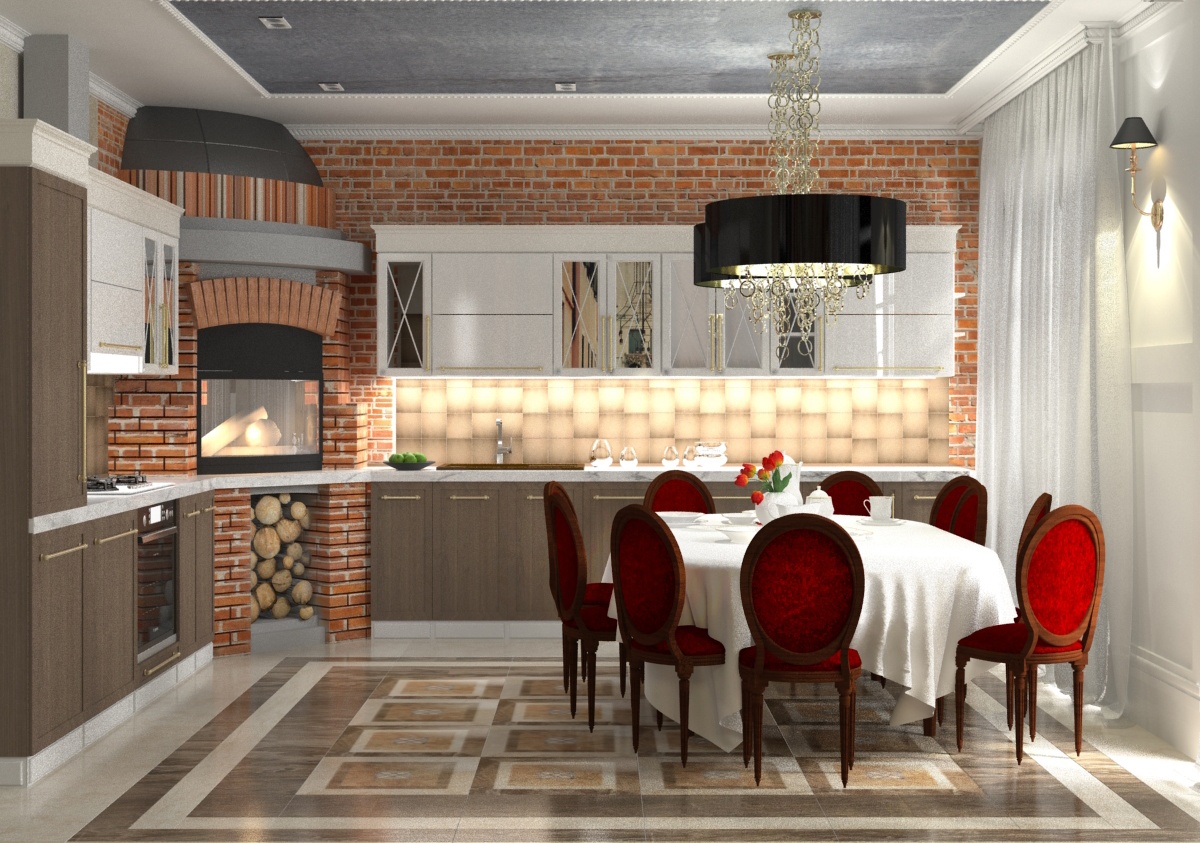
This direction is defined by the complete absence of decorative elements. The primary goal of minimalism is to create an entirely free space with a minimal amount of furniture. Textures are simple, and forms are monochrome. Minimalist interiors strictly avoid dividing rooms into functional zones. Furniture is selected for functionality and practicality. Ideal pieces include soft sofas with metal legs, glossy kitchen sets, and low-profile beds.
Walls are finished with textured plaster or pastel‑colored paint. Flooring uses low‑maintenance materials such as linoleum, laminate, or calmly colored tiles. To add a bright touch, a contrasting accent wall in a vivid hue can be introduced. Styles derived from minimalism include loft, contemporary high‑tech, and others.
The modern variety of stylistic directions allows anyone to embark on a renovation adventure. Remember, it’s not necessary to stick to a single style. To create your dream interior, you’ll need a bit of space and imagination. Mixing different design directions is perfectly acceptable, provided the final result doesn’t look chaotic. Choose interior design directions carefully.
Comments