Articles
Provence Style Kitchen: Features, Colors, Lighting & Furniture
Explore the Provence kitchen style with pastel tones, natural materials, lighting tips, textile ideas, flooring, walls, and authentic rustic furniture.

Articles
Explore the Provence kitchen style with pastel tones, natural materials, lighting tips, textile ideas, flooring, walls, and authentic rustic furniture.
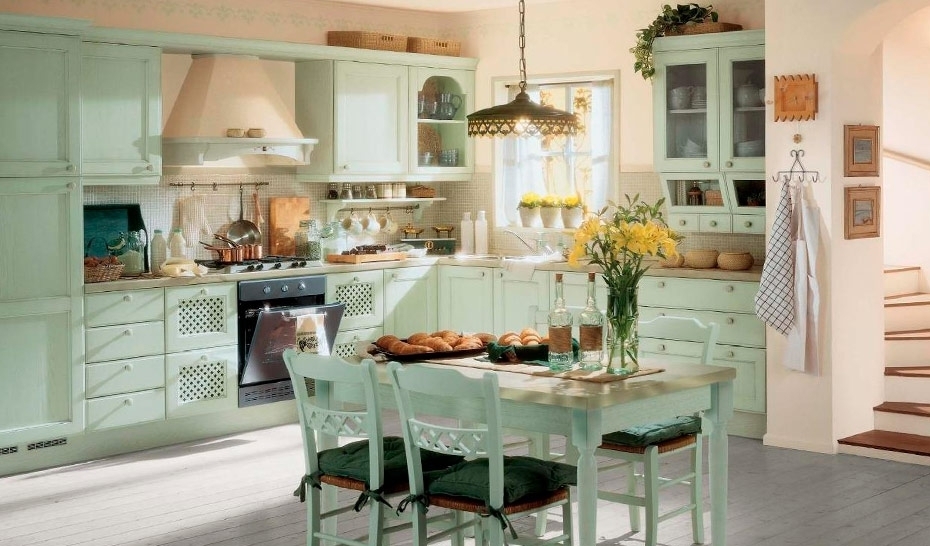
Modern homeowners are increasingly choosing the Provence style for their kitchens because this direction conveys romance, tenderness, and sophistication. Who wouldn’t want to dine in a space that feels like a true French village? If you decide to design your kitchen in this style, it’s advisable to study every tiny detail so that the final result truly reflects Provence.
So, this direction includes the following characteristics:
Traditional Provence style in the kitchen incorporates all the listed factors. Therefore, if you want to furnish your kitchen in this direction, consider these characteristics.
A kitchen dressed in Provence will never feature bright, shouting shades, because this stylistic direction has a different palette. Designers often use the following colors:
Usually, Provence kitchens include these primary shades, while many secondary colors can also be introduced. The key is that all chosen colors harmonize, and bright “splashes” are provided by interior elements like dishes, textiles, and other accessories.
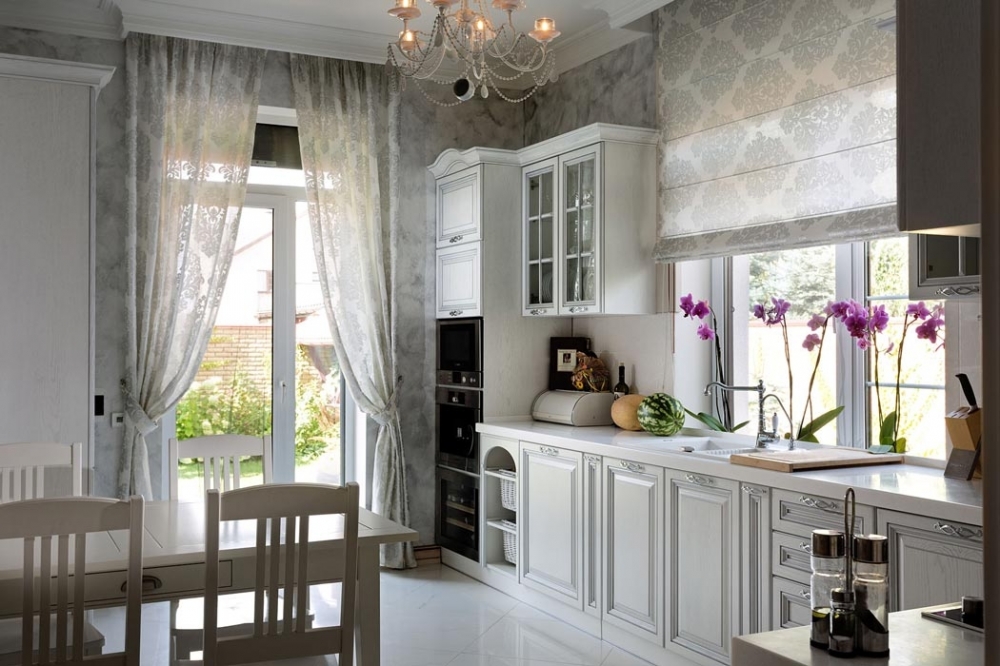
A kitchen designed in the French country style should have good illumination. Ideally, natural light from large windows does the job. When large windows are not possible, small kitchens rely on chandeliers as the main light source. When selecting this element, look for forged, wooden, or porcelain fixtures. Many designers also use textile lamps, as Provence kitchens are characterized by this material. The main rule: the fabric must be translucent to avoid heavy shadows.
Textiles are the signature of traditional French Provence. This style is rich in tablecloths made only from natural fibers—linen, cotton—as well as light curtains, drapes, cushions, chair covers, napkins, and towels featuring distinctive floral prints. Textiles give any room a lived‑in, cozy feel and add gentle accents. Every Provence kitchen design incorporates these interior elements.
A Provence kitchen must feature surface cladding made exclusively of natural building materials—wood, stone, ceramic, etc. Surfaces should retain a rough, untreated appearance. Instead of ordinary wallpaper, use coarse‑finish plaster or liquid wallcoverings. Textured paper can be used only if it matches the interior perfectly. Wooden panels work well for walls; light tones visually expand the space.
For a believable Provence kitchen, finish the floor with ceramic tiles or wooden boards. Ceramic covering should be matte, as the style avoids gloss. If you love wood, opt for aged‑look laminate. The work wall can be made of tile, mosaic, wood, or MDF. Choose according to the planned design, ensuring harmony in color, texture, and pattern.
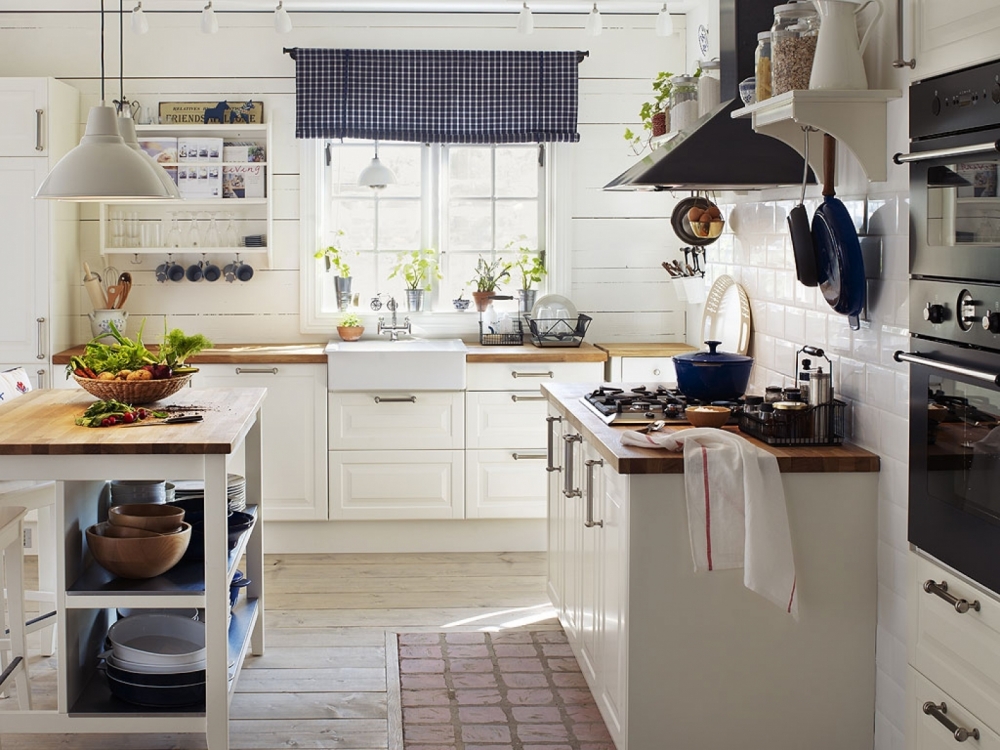
Provence shuns overt polish and gloss. The desired effect is achieved with antique‑style furniture, rough surfaces, and matte details. All furniture should be made of wood—whether it comes from your grandmother’s attic or an antique shop. A genuine Provence kitchen reflects rustic heritage. Even open cabinets look stylish, adding mystery to the interior. Open furniture is also practical, allowing easy access to dishes. If you prefer closed storage, choose pieces with glass doors.
Forged elements beautifully accent furniture, especially dining tables with wrought‑iron legs. Chairs can be adorned with charming floral‑print cushions. Stools may vary in shape, diameter, and construction; both wooden and foldable metal options work well. Modern Provence kitchen design suits small apartments as well as larger spaces, thanks to its versatility. Follow the listed guidelines, and you’ll achieve an authentic Provence kitchen.
Comments