Articles
Stylish Modern Scandinavian Living Room Design Guide
Learn how to create a modern Scandinavian living room with tips on finishes, decorative elements, and furniture choices.

Articles
Learn how to create a modern Scandinavian living room with tips on finishes, decorative elements, and furniture choices.
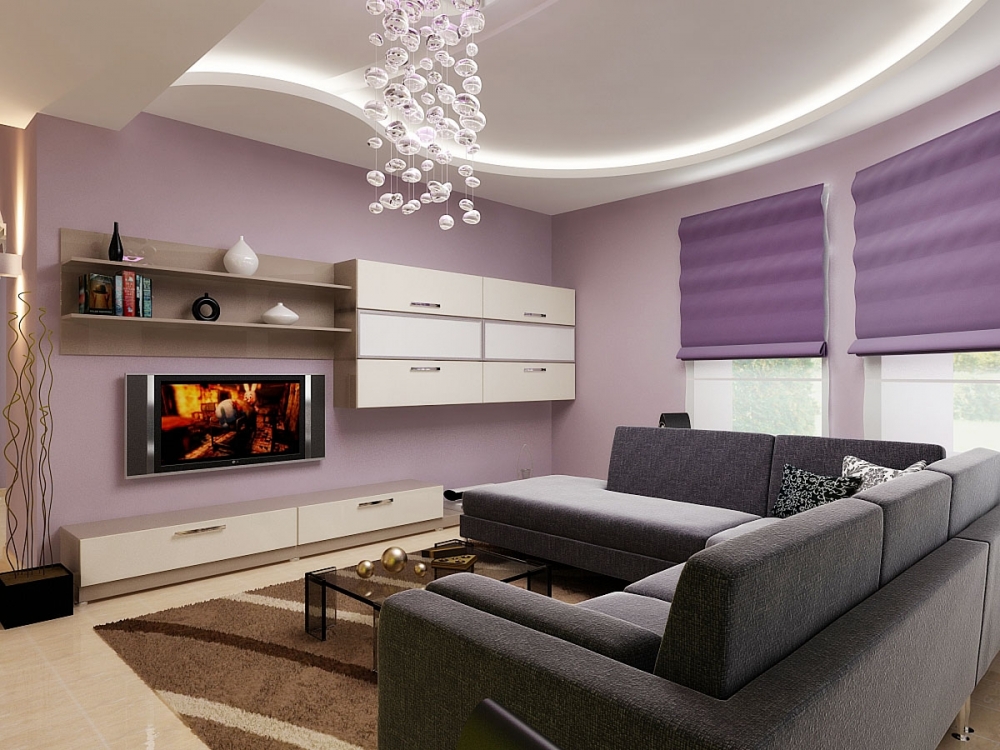
Today more and more property owners are choosing a Scandinavian modern style for their living rooms. This style is characterized by extraordinary lightness, warmth, and naturalness. Given this trend, it’s no surprise that it attracts genuine interest from many designers. Residents of snowy Scandinavia, famous for its endless snow, strive to create extremely warm and cozy homes.
It is noteworthy that Scandinavian design is an ideal solution for small spaces. This is because the palette relies heavily on light colors that reflect light, visually expanding the room. The most common choices are white, milk, cream, or ivory tones. A stylish, modern living‑room interior should resemble a “snowy box” filled with bright, colorful elements selected according to the owners’ taste. The classic approach uses white walls, ceiling, floor, and even furniture, but there are freer interpretations that allow darker accents.
The colour palette of Scandinavian style is rather limited, and using only pure white can feel dull. Therefore, it is recommended to soften the scheme with light gray, muted pink, soft blue, cobalt, wheat, or turquoise shades. Follow basic colour‑matching rules to ensure harmony. Accents of blue or red are welcome, and other colours may be introduced, provided the combinations remain tasteful and not overly flamboyant.
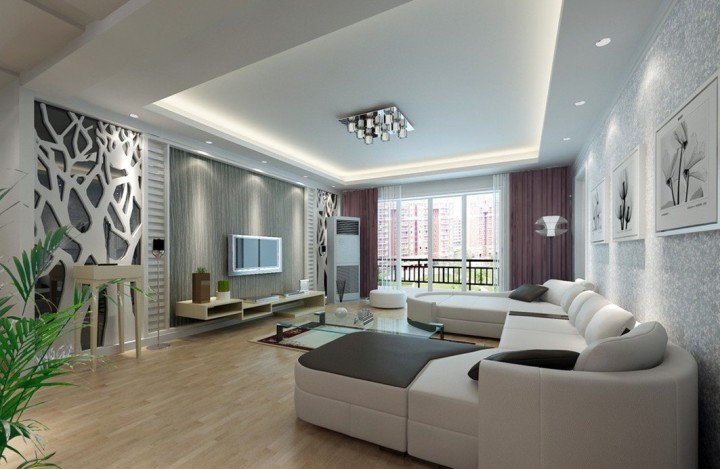
A white interior paint is ideal for covering walls; it is advisable not to wallpaper the entire living room. Instead, apply wallpaper to a single wall or niche. Scandinavian wallpapers usually draw attention to a specific area of the space, a technique often used in “Scandinavian loft” interiors. For example, you may find a wall of white or light‑terra cotta brick in many Scandinavian living rooms.
Modern Scandinavian ideas also call for wooden doors and window frames that blend with the walls, enhancing the sense of expanded space. Curtains are generally avoided in this style.
Key furniture selection rules:
The design concept aligns with minimalism, aiming to suit compact rooms, so furniture should be kept to a minimum. A large, comfortable sofa works well; choose upholstery such as suede, leather, fur, or linen. Additional seating can be provided by soft armchairs or poufs.
Small wall shelves or open shelving are ideal for decoration. A large frameless mirror can further enlarge the space by reflecting and diffusing light. Scandinavian living‑room design also accommodates a ceramic stove or fireplace.
The main requirement for furniture is functionality and practicality. Opt for pieces made of natural wood. Metal or glass constructions are generally discouraged, though some interpretations allow them—for instance, wooden shelves mounted on metal brackets or a wooden table with a tempered‑glass top.
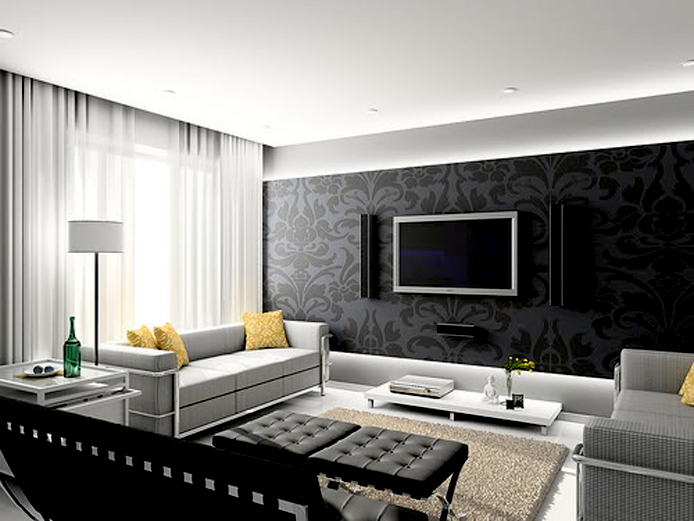
In addition to large, unfinished window openings, lighting is enhanced by white reflective surfaces, keeping the room bright even at night. Artificial lighting receives special attention: various lamps, wall sconces, table or floor lamps work well. Modern Scandinavian living rooms look great with chandeliers featuring transparent shades complemented by recessed ceiling spotlights. Candles in elegant candlesticks can serve as decorative accents.
The Scandinavian approach skillfully balances restraint and elegance, so avoid overloading the space with impractical knick‑knacks. For example, fresh flowers and other live plants are typically excluded.
The primary purpose of décor is to create a warm atmosphere. A restrained, uncomplicated living‑room design can be enriched with numerous sofa cushions, throws, and other textiles. Decorative elements should be in brown tones. Paintings and posters depicting natural scenery are also suitable.
Scandinavian style is gaining popularity amid urban hustle and noise. Ideally, the same aesthetic should be applied throughout the entire apartment, ensuring a cohesive overall look that integrates the living‑room interior design seamlessly.
Comments