Articles
What Is Interior Design and Why Do You Need It?
Learn what interior design is, its origins, common renovation problems, and how professional design can solve them.

Articles
Learn what interior design is, its origins, common renovation problems, and how professional design can solve them.
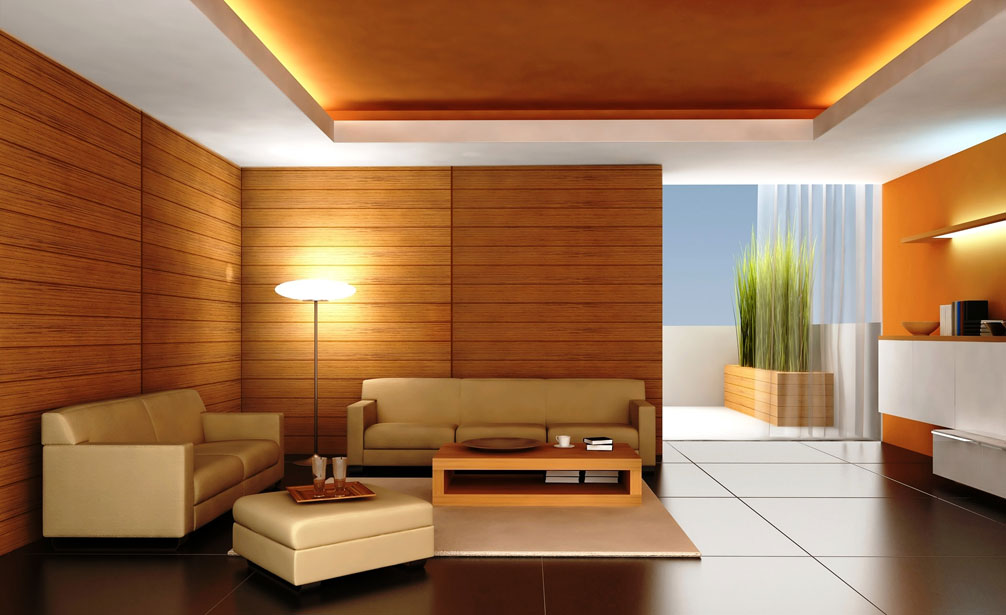
If we follow the theory, interior design is a concrete solution for decorating the internal space of a room. Its detailed development involves selecting appropriate wall finishes, flooring, doors, windows, and lighting plans. The designer also works on the arrangement of furniture and other important interior elements.
Creating a project is a professional, creative activity aimed at achieving a cohesive, functional, and harmonious interior for a production, commercial, or residential space. Every project is based on an original idea that originates in the mind of the client or the executor. Before understanding what interior design is, you should know that a project must be compiled taking into account all the owner’s requirements or wishes. If the décor does not match the owner’s taste, it cannot be called comfortable, cozy, or suitable for living or working.
However, a comprehensive project must reflect not only aesthetic wishes but also all technical requirements. It is a kind of art of arranging objects inside a room. Proper design allows the essence of the homeowner to be revealed, filling every centimetre with meaning and beauty. A well‑structured interior should organically combine aesthetic superiority with practical functionality.
Throughout history people have tried to create beautiful surroundings inside their homes. That is why today designers’ services remain among the most in‑demand. Even prehistoric humans understood that interior design is a way to make their dwelling cozier. Back then caves were decorated with wall paintings, skins, tree roots or stones.
The Early Kingdom period marked the emergence of ancient Egyptian art. The culture of that time was characterized by static, monumental principles. It was then that above‑ground tombs began to be built, containing burial chambers. In Egypt a seat with a backrest was created, later becoming the prototype for modern chairs.
Later, the history of design was enriched by Greek architectural products such as mosaics, bricks, stone slabs, and wood. At that stage interior design referred to the construction of luxurious temples, where ceilings and walls were adorned with exquisite frescoes and furniture was decorated with inlay.
Ancient Rome also left its mark on design history. Its inhabitants built elaborate public baths. The interior finishing of the thermae was especially luxurious: floors were laid with mosaics, gardens and pools were placed inside, and materials such as silver, ivory, gold, marble, bronze were frequently used.
Before understanding why design is necessary and what its main goals are, it is important to look at the problems faced by the average homeowner who starts a renovation. Several common “stumbling blocks” hinder a person unfamiliar with design from creating a decent interior on their own:
Therefore, homeowners are advised either to study the theory themselves or to use a professional’s services. To obtain a harmonious, comfortable, attractive, and practical interior, one must know the design styles used today and how they can be mixed.
There are three main stylistic directions that can be considered basic. The first is Classic. Classic interior design, magnificent in its manifestations, is the foundation of all styles. Over time the direction branched out, giving rise to sub‑styles such as Rococo, Baroque, Empire, etc., all sharing common traits. Classic design loves luxury. Such interiors are chosen by true aesthetes who want to showcase their respectability and status: lavish wooden furniture, massive chandeliers, wooden parquet floors, heavy draperies of natural fabrics on windows, columns, arches – the more pomp, the better.
The Modern direction also splits into several sub‑styles, but its characteristics differ sharply from classic. Well‑known “children” of modern design are Minimalism, Art‑Deco, High‑Tech, Loft and many others. Modern interior design prioritizes functionality and practicality, welcomes ample free, bright space, and colour contrasts. It typically uses artificially produced materials. The style is recognizable by clear geometric shapes, lines, and restrained decorative details.
The third direction is Ethnic style. Its main feature is the use of a nation’s cultural heritage in interior décor. Today most residential owners choose Japanese, Scandinavian, Indian and other branches of the style for their homes. Ethnic interior design is the most colourful direction and must be applied carefully to achieve a harmonious, cozy layout for an apartment or house.
Comments